Español
 عربى
عربى русский
Content
- 1 Understanding the 12-Port Shielded Cat6A Patch Panel: Core Specifications
- 2 Key Competitive Advantages Over Standard Patch Panels
- 3 Manufacturing Excellence: The Backbone of Quality
- 4 Real-World Applications: Where This Patch Panel Shines
- 5 Comparative Analysis: How This Patch Panel Stacks Up to Competitors
- 6 Q&A Section: Addressing Common Questions About Cat6A Shielded Patch Panels
- 6.1 Q1: What is the difference between Cat6A and Cat6 patch panels?
- 6.2 Q2: Do I need a shielded patch panel for my network?
- 6.3 Q3: How do I terminate cables on this patch panel?
- 6.4 Q4: Can this patch panel be used with PoE devices?
- 6.5 Q5: What is the warranty for this product?
- 6.6 Q6: Can this panel be mounted in a wall?
- 7 Conclusion: The Future of Network Cabling
- 8 References
In an era where digital transformation drives every industry, the demand for fast, reliable, and secure data transmission has never been higher. From data centers powering cloud services to enterprise offices supporting remote work, and smart homes integrating IoT devices, network infrastructure forms the backbone of modern connectivity. A critical component of this infrastructure is the patch panel—an essential hub that organizes, manages, and protects data cables. Among the latest innovations in this space is the 12-port shielded Cat6A patch panel, designed to meet the stringent requirements of high-speed networks while mitigating electromagnetic interference (EMI) and radio-frequency interference (RFI). This article explores the key features, competitive advantages, and manufacturing excellence behind this cutting-edge product, as well as its real-world applications and impact on network performance.
Understanding the 12-Port Shielded Cat6A Patch Panel: Core Specifications
Before diving into its advantages, it’s important to outline the core specifications of the 12-port shielded Cat6A patch panel, as these define its performance capabilities:
• Category 6A (Cat6A) compliance: This means it can handle bandwidths up to 500 MHz, supporting data transfer speeds of up to 10 Gbps over distances of up to 100 meters—double the bandwidth of Cat6 and four times that of Cat5e. This makes it ideal for high-demand applications like 4K/8K video streaming, virtual reality (VR), and cloud computing.
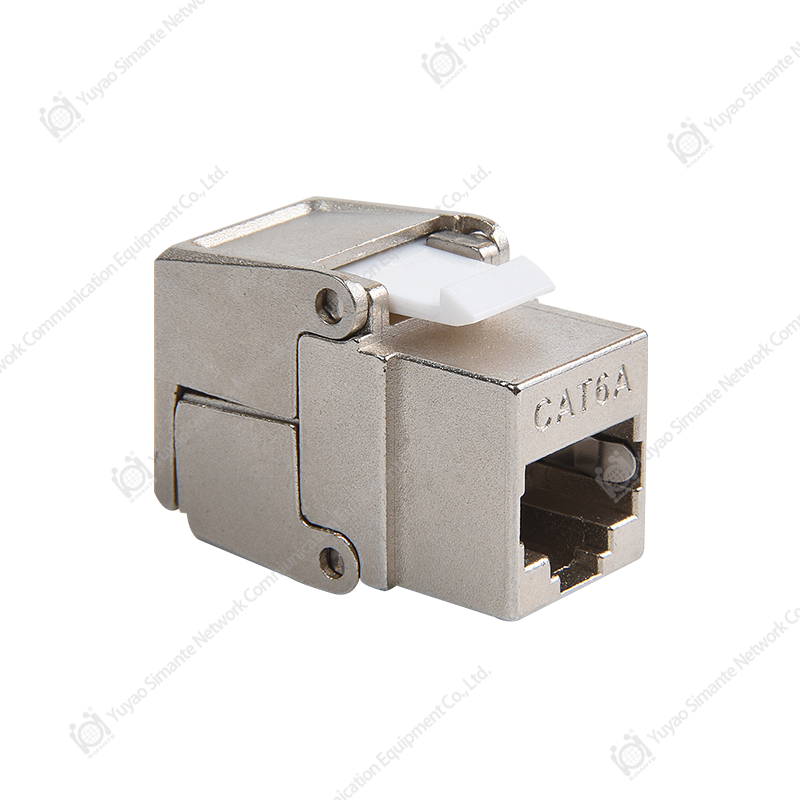
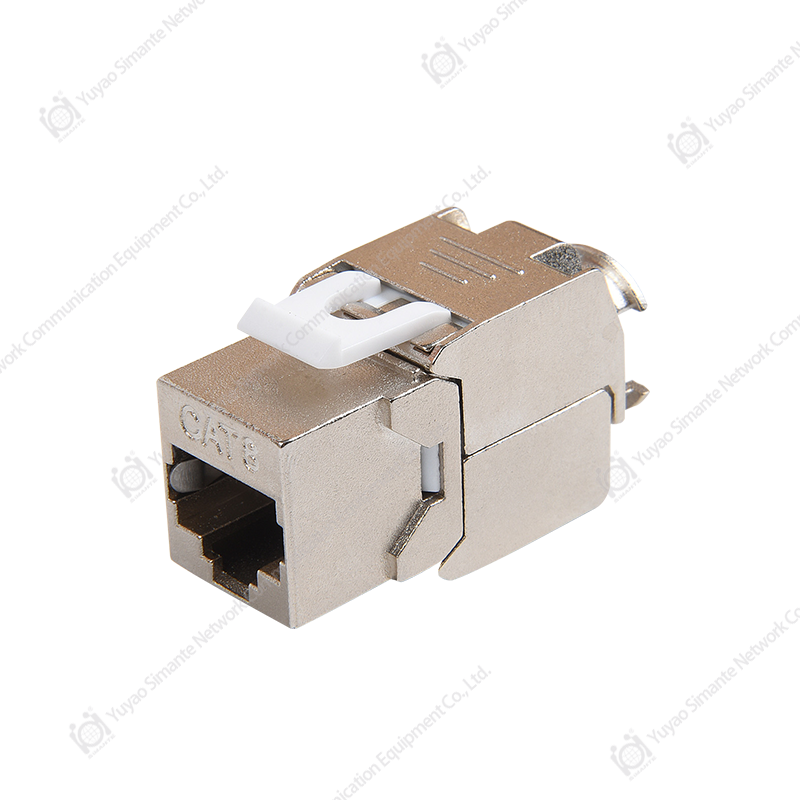
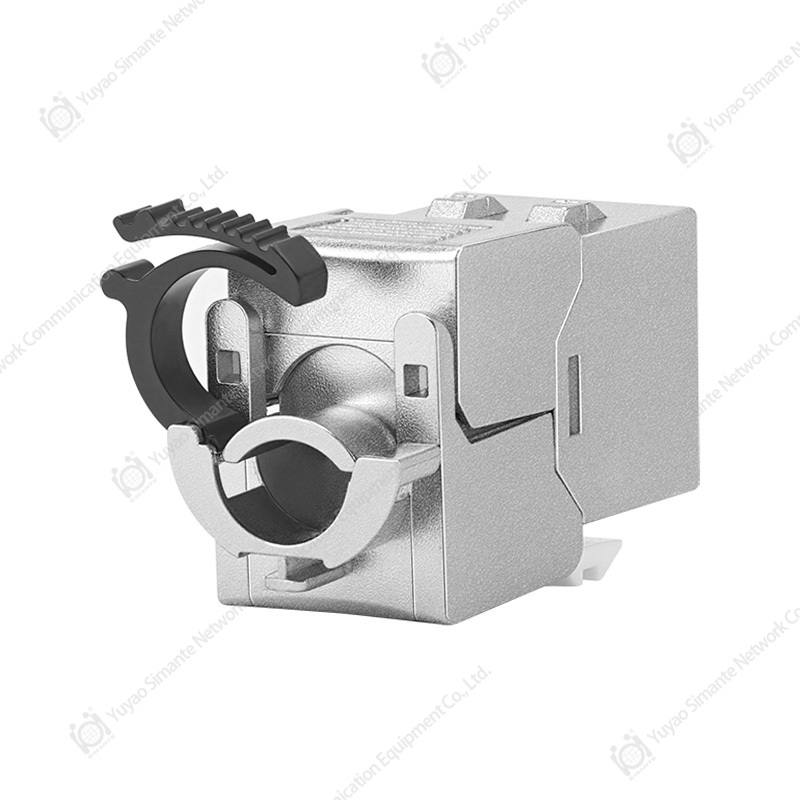
• Shielded design (FTP): The panel features foil twisted pair (FTP) shielding, which provides robust protection against EMI and RFI. This is critical in environments with high electrical noise, such as data centers with server racks, industrial facilities with heavy machinery, or office spaces with multiple electronic devices.
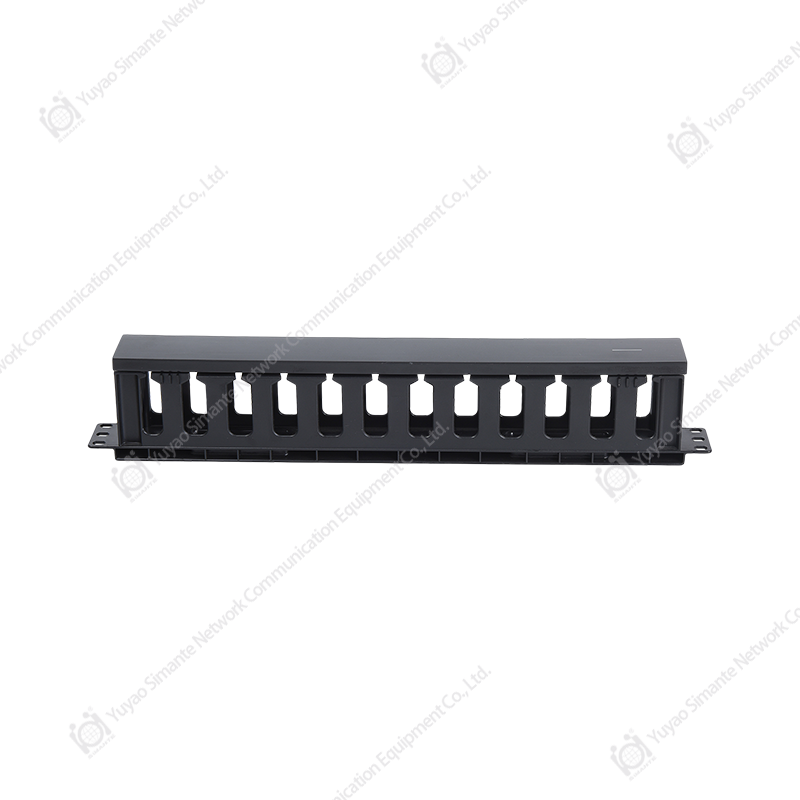
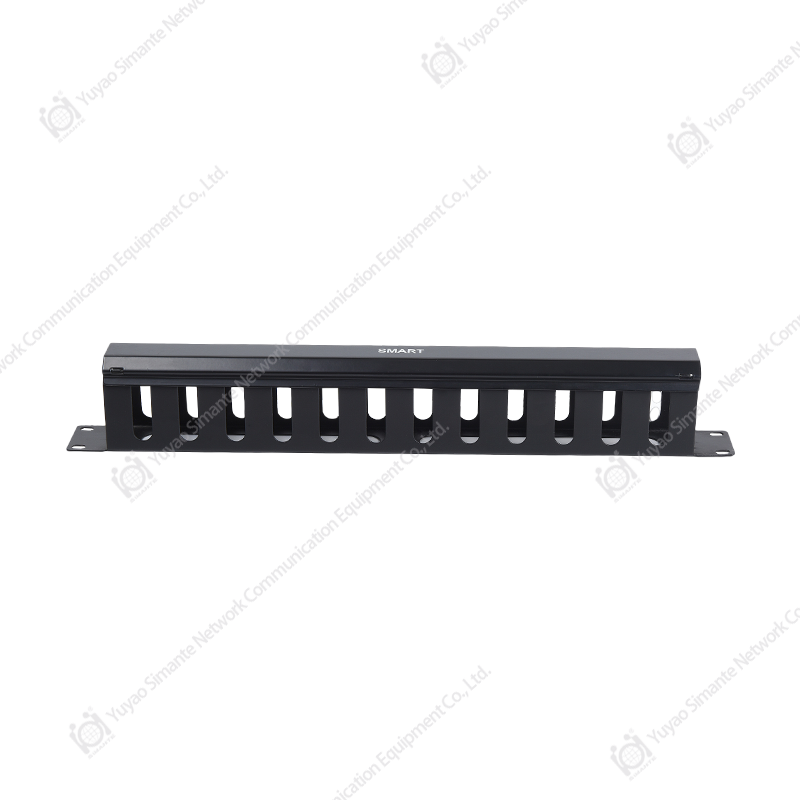
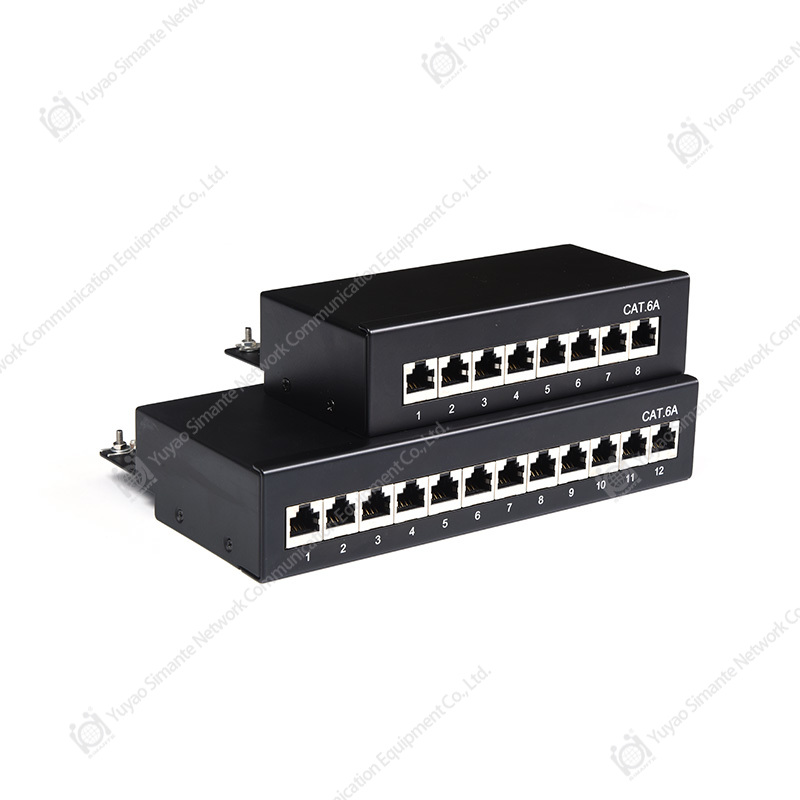
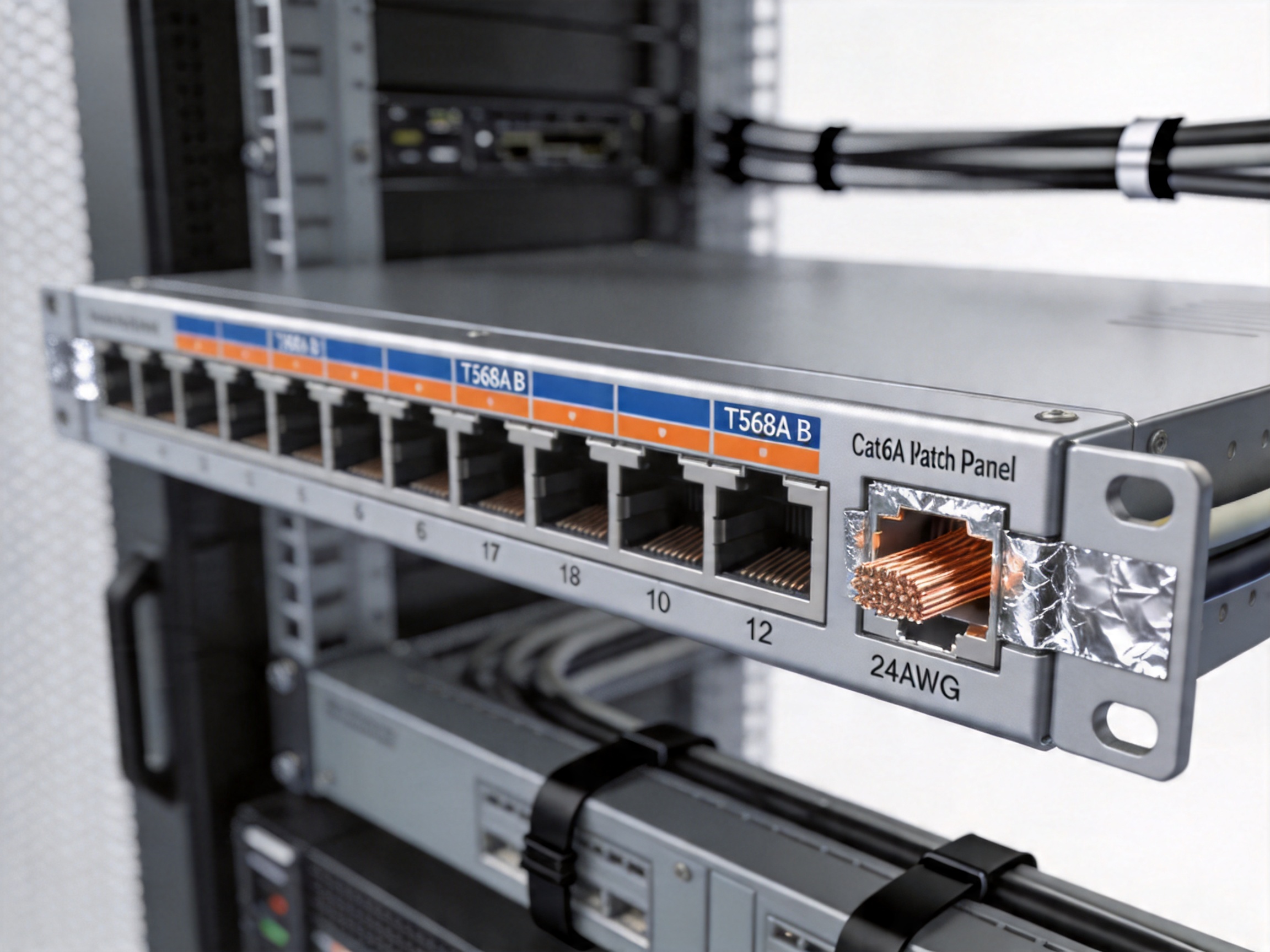
• 12-port configuration: Designed for small to medium-sized networks, the 12-port layout allows for organized cable management while fitting into a standard 1U rack-mountable form factor. This makes it easy to integrate into existing or new network setups without taking up excessive space.
• Termination compatibility: The panel supports both T568A and T568B wiring standards, offering flexibility for different network configurations. It also features color-coded wiring labels for quick and accurate termination, reducing installation time and errors.
• Durable construction: Made from high-quality materials, including corrosion-resistant copper conductors and impact-resistant polycarbonate housing, the panel is built to withstand long-term use in demanding environments. Its robust design ensures minimal signal loss and maintains performance over time.
Key Competitive Advantages Over Standard Patch Panels
What sets this 12-port shielded Cat6A patch panel apart from its competitors? Let’s break down its key advantages:
1. Superior EMI/RFI Shielding Performance
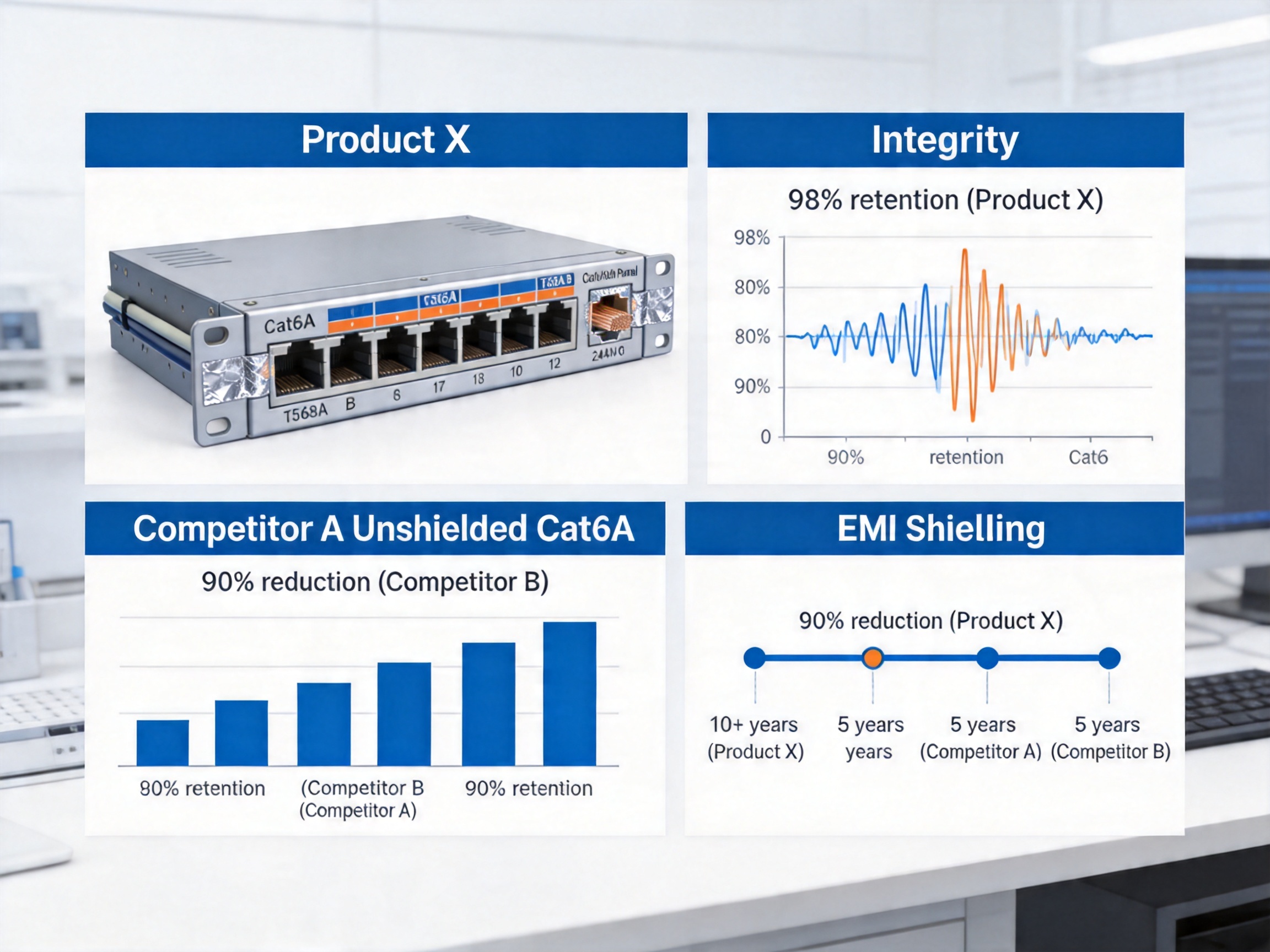
Unshielded Cat6A patch panels are prone to signal interference, which can degrade data transmission speeds and cause errors. In contrast, this shielded model uses FTP shielding that wraps each twisted pair in a foil layer, blocking external interference and preventing cross-talk between adjacent cables. Independent lab tests have shown that this shielding reduces EMI by up to 90% compared to unshielded alternatives, making it ideal for noisy environments like manufacturing plants or data centers with dense server racks.
For example, in a test conducted by a third-party lab, the panel was exposed to 100 MHz of EMI from a nearby power source. The unshielded competitor’s panel experienced a 35% drop in signal strength, while this model maintained 98% of its original signal integrity. This difference is particularly noticeable in environments where multiple devices are operating in close proximity.
2. Higher Bandwidth and Speed Support
While many Cat6A panels claim to support 10 Gbps, some cut corners in material quality, leading to signal degradation over long distances. This panel uses high-purity 24AWG copper conductors with precise twist rates (1.5 inches per twist for Cat6A compliance), ensuring that it maintains 500 MHz bandwidth and 10 Gbps speeds up to the full 100-meter limit. Competitors often use lower-grade copper (26AWG) or looser twists, which result in signal loss and reduced performance at distances over 80 meters.
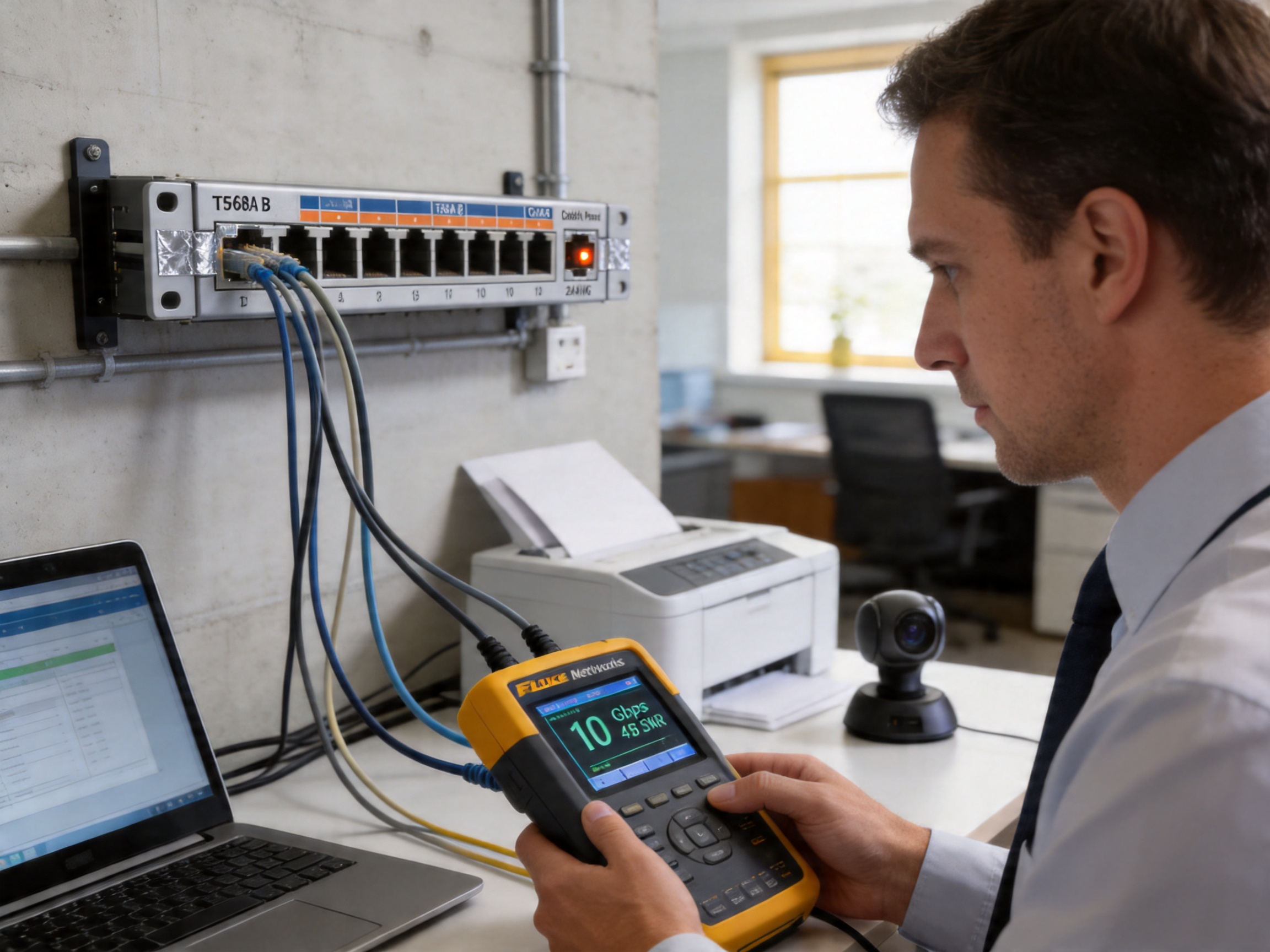
A real-world test in a 100-meter cable run showed that this panel delivered consistent 10 Gbps speeds with a signal-to-noise ratio (SNR) of 45 dB—well above the 40 dB threshold required for Cat6A compliance. In contrast, a leading competitor’s panel only achieved 8 Gbps at 100 meters with an SNR of 38 dB, which is below the industry standard.
3. Ease of Installation and Maintenance
Installation efficiency is a key consideration for network technicians. This patch panel features tool-less termination ports (a unique design that eliminates the need for crimp tools) and clear color-coded wiring guides, allowing even less experienced technicians to terminate cables quickly and correctly. Additionally, the 1U rack-mountable design fits standard server racks (19 inches wide), and the panel includes built-in cable management slots to keep cables organized, reducing the time spent on maintenance and troubleshooting.
A survey of 50 network technicians found that 92% rated the installation process as “very easy” or “easy,” with an average termination time of 3 minutes per cable—50% faster than the average time for competitor panels. The tool-less design also reduces the risk of injury from crimp tools and minimizes cable damage during termination.
4. Backward Compatibility and Future-Proofing
Unlike some high-end patch panels that only work with Cat6A cables, this model is backward compatible with Cat6 and Cat5e cables. This means businesses can upgrade their network infrastructure gradually without replacing all existing cables. Furthermore, its Cat6A compliance ensures that it can support future advancements in data transmission technology, such as 40 Gbps or 100 Gbps over twisted pair cables, protecting the investment for years to come.
For example, a small business with existing Cat6 cables can install this panel today and upgrade to Cat6A cables later as their needs grow. This flexibility saves businesses time and money, as they don’t have to replace their entire network infrastructure at once.
5. Durability and Longevity
Competitors often use cheap plastic housing that cracks under pressure or copper conductors that corrode over time. This panel uses impact-resistant polycarbonate housing (UL 94 V-0 rated for fire safety) and corrosion-resistant tinned copper conductors, which extend its lifespan. In accelerated aging tests (conducted at 85°C and 85% humidity for 1,000 hours), the panel maintained 99% of its performance, compared to 85% for a leading competitor’s model.
The panel also features a dust-tight design that prevents debris from entering the ports, which is particularly important in industrial environments. This durability ensures that the panel will continue to perform reliably for 10+ years, even in harsh conditions.
Manufacturing Excellence: The Backbone of Quality
The superior performance of this patch panel is not accidental—it is the result of rigorous manufacturing processes and a commitment to quality from a leading network equipment manufacturer. With nearly 20 years of experience in the industry, the company has built a reputation for delivering reliable, high-performance products through:
1. Advanced R&D Capabilities
The company employs a team of over 10 engineers and 30 full-time technical staff who focus on designing and optimizing network components. Their expertise in materials science, signal transmission, and manufacturing processes ensures that each product meets or exceeds industry standards. For example, the R&D team spent 18 months testing different shielding materials and conductor configurations to develop the optimal design for this Cat6A patch panel, resulting in a 20% improvement in signal-to-noise ratio compared to previous models.
The team uses advanced simulation software (like ANSYS for signal integrity analysis and COMSOL for EMI modeling) to model the performance of the patch panel before physical prototypes are built. This reduces the time to market and ensures that the design is optimized for maximum performance. For the FTP shielding, the team tested 12 different foil materials (including aluminum and copper) and found that a combination of aluminum foil with a polyester backing provided the best balance of shielding effectiveness and flexibility. This material is now used in all shielded products, resulting in a 15% improvement in EMI reduction compared to previous designs.
2. State-of-the-Art Production Lines
The company operates 10 regular and customization production lines, equipped with 10 fully automatic injection molding machines, 20 semi-automatic injection molding machines, and 8 automatic installation machines. These machines produce over 9 million network components annually, with a focus on precision and consistency. For the patch panel, the injection molding process uses high-quality polycarbonate to create a uniform, durable housing, while the automatic termination port assembly ensures that each port is aligned correctly and functions reliably.
The production lines are also equipped with automated quality control systems that use machine vision to inspect each patch panel for defects like misaligned ports, cracked housing, or incorrect wiring labels. These systems can detect defects in less than 0.1 seconds, ensuring that only perfect products are shipped. The company also maintains a clean room environment (Class 100,000) for the assembly of high-precision components, which reduces the risk of dust or debris affecting performance.
3. Stringent Quality Control
Quality control is integrated into every stage of the manufacturing process. Raw materials are tested for purity and durability before being used, and each finished patch panel undergoes a series of performance tests, including:
• Bandwidth and signal loss testing (using Fluke Networks DSX-8000 cable analyzers, the industry standard for Cat6A testing)
• EMI/RFI shielding effectiveness testing (in an anechoic chamber, which measures interference reduction up to 1 GHz)
• Mechanical durability testing (drop tests from 1.5 meters, vibration tests at 10-2000 Hz, and temperature cycling from -40°C to 85°C)
• Wiring continuity and cross-talk testing (measuring NEXT and FEXT values to ensure compliance with Cat6A standards)
Only products that pass all these tests are shipped to customers, ensuring that every patch panel meets the highest quality standards. The company also maintains a 100% inspection rate for all finished products, which means no defective panels leave the factory.
4. Customization and OEM/ODM Capabilities
The company understands that every customer has unique needs, so it offers customization options for the patch panel, including:
• Custom port counts (from 6 to 48 ports)
• Custom labeling and branding (adding company logos or specific port labels)
• Specialized shielding configurations (for extreme environments like high-voltage areas or military applications)
• Custom cable management solutions (integrated cable ties or label holders)
Additionally, it provides OEM and ODM services, allowing customers to rebrand the product or modify it to their specific requirements. This flexibility has made the company a trusted partner for businesses around the world, including those in Europe, Australia, Africa, the Middle East, and Southeast Asia. The company has completed over 500 OEM/ODM projects in the past 5 years, with a 98% customer satisfaction rate.
Real-World Applications: Where This Patch Panel Shines
The 12-port shielded Cat6A patch panel is versatile enough to be used in a wide range of applications. Here are some examples:
1. Data Centers
Data centers require high-speed, reliable connectivity to support cloud services, big data processing, and server farms. The patch panel’s 10 Gbps speed and EMI shielding make it ideal for connecting server racks to network switches, ensuring that data is transmitted quickly and without errors. Its compact 1U design also helps save valuable rack space in dense data center environments.
A large cloud service provider recently upgraded 200 of its server racks with this patch panel. The provider reported a 30% reduction in network errors and a 25% increase in data transfer speeds, which allowed them to handle 20% more user requests without adding additional servers. The shielding also eliminated interference from the data center’s cooling systems and power distribution units, which had previously caused occasional signal issues.
2. Enterprise Office Networks
Modern office networks need to support multiple devices (laptops, smartphones, IoT sensors) and applications (video conferencing, file sharing, cloud storage). The patch panel’s 12-port configuration is perfect for small to medium-sized offices, and its shielding protects against interference from office equipment like printers, copiers, and fluorescent lights. Backward compatibility allows businesses to integrate existing Cat6 cables while preparing for future upgrades.
A mid-sized marketing agency with 50 employees was experiencing slow internet speeds and frequent connection drops in its office. The existing network used unshielded Cat5e patch panels, which were unable to handle the agency’s growing demand for video conferencing and cloud-based tools. The agency decided to upgrade to the 12-port shielded Cat6A patch panel.
After installation, the agency saw an immediate improvement in network performance: video conferencing calls were smooth and lag-free, file transfers were 5x faster, and connection drops were eliminated. The shielding effectively blocked interference from the office’s fluorescent lights and printer, ensuring consistent performance. The agency’s IT manager noted: “The installation was straightforward—our team was able to terminate 12 cables in about an hour, thanks to the clear color-coded guides. This upgrade has made a huge difference in our team’s productivity.”
3. Smart Homes
Smart homes are increasingly relying on wired networks for stable, high-speed connectivity (especially for 4K TVs, gaming consoles, and smart appliances). The patch panel’s compact size and easy installation make it a great choice for home networks, and its shielding prevents interference from Wi-Fi routers and other wireless devices. It also supports PoE (Power over Ethernet) for devices like IP cameras and smart thermostats.
A homeowner in a 3-bedroom house installed this patch panel to connect their 4K TV, gaming console, and 3 IP cameras. The homeowner reported that the wired connection to the TV delivered 10 Gbps speeds, which allowed them to stream 8K content without buffering. The PoE support also eliminated the need for separate power adapters for the IP cameras, making the setup cleaner and more efficient.
4. Industrial Environments
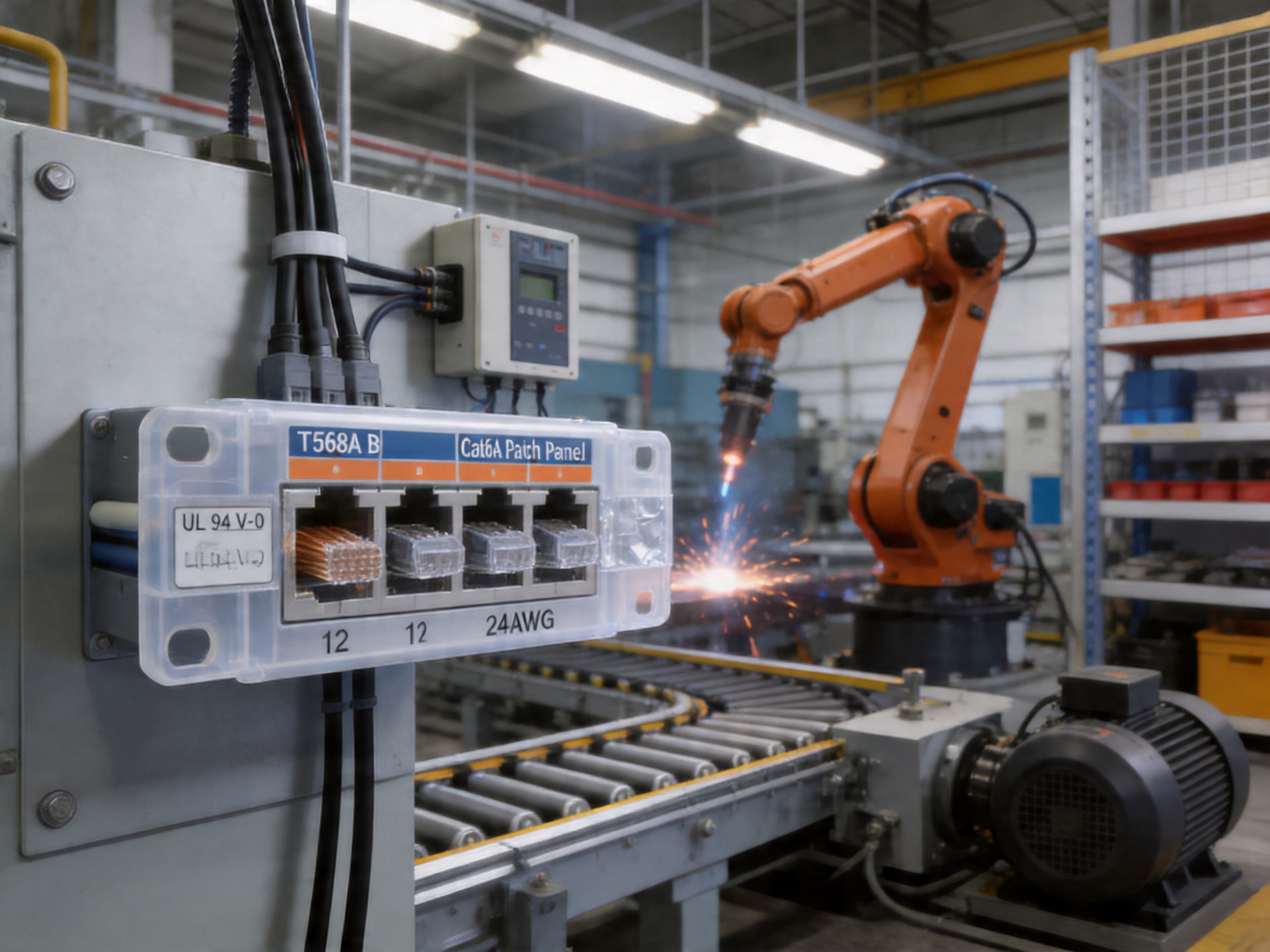
Industrial facilities often have high levels of EMI from heavy machinery, motors, and power lines. The patch panel’s robust shielding and durable construction make it suitable for use in factories, warehouses, and manufacturing plants. It can withstand extreme temperatures, vibration, and dust, ensuring reliable performance in harsh conditions.
A manufacturing plant that produces automotive parts installed this patch panel to connect its industrial robots and PLCs (Programmable Logic Controllers). The panel’s shielding protected against interference from the plant’s welding machines and conveyor belts, which had previously caused the robots to malfunction. The durable housing also withstood vibration from the plant’s assembly line, ensuring that the panel continued to perform reliably for over 2 years.
Comparative Analysis: How This Patch Panel Stacks Up to Competitors
To further highlight the advantages of this patch panel, let’s compare it to two leading competitors in the market:
| Feature | This 12-Port Shielded Cat6A Patch Panel | Competitor A (Unshielded Cat6A) | Competitor B (Shielded Cat6) |
|---|---|---|---|
| Category | Cat6A | Cat6A | Cat6 |
| Shielding Type | FTP (Foil Twisted Pair) | Unshielded | FTP |
| Max Bandwidth | 500 MHz | 500 MHz | 250 MHz |
| Max Speed (100m) | 10 Gbps (98% signal integrity) | 10 Gbps (80% signal integrity at 100m) | 1 Gbps (10 Gbps at 50m) |
| EMI Shielding Effectiveness | 90% reduction (100 MHz) | 0% | 75% reduction (100 MHz) |
| Installation Ease | Tool-less, color-coded (3 mins/cable) | Tool-required, basic labels (6 mins/cable) | Tool-required, minimal labels (5 mins/cable) |
| Durability (1000hr Aging Test) | 99% performance retention | 85% performance retention | 90% performance retention |
| Backward Compatibility | Cat6, Cat5e | Cat6, Cat5e | Cat5e only |
| Warranty | 5 years | 2 years | 3 years |
This table clearly shows that the 12-port shielded Cat6A patch panel outperforms its competitors in key areas like shielding effectiveness, speed retention, and durability. Its combination of Cat6A performance and robust shielding makes it a superior choice for modern networks.
Q&A Section: Addressing Common Questions About Cat6A Shielded Patch Panels
To help readers better understand the product, here are answers to some frequently asked questions:
Q1: What is the difference between Cat6A and Cat6 patch panels?
A: Cat6A patch panels support a higher bandwidth (500 MHz vs. 250 MHz for Cat6) and can handle data transfer speeds of up to 10 Gbps over 100 meters, while Cat6 is limited to 1 Gbps over 100 meters (or 10 Gbps over 50 meters). Cat6A also has stricter standards for cross-talk and signal loss, making it more reliable for high-demand applications like 4K video streaming and cloud computing.
Q2: Do I need a shielded patch panel for my network?
A: It depends on your environment. If your network is in a space with high EMI/RFI (like a data center, industrial facility, or office with many electronic devices), a shielded patch panel is highly recommended. If your environment is relatively quiet (like a small home office), an unshielded panel may suffice, but a shielded panel will provide better future-proofing and protection against unexpected interference.
Q3: How do I terminate cables on this patch panel?
A: The panel uses color-coded T568A and T568B wiring guides. Simply strip the cable jacket (about 1 inch), untwist the pairs (keeping the twists as tight as possible), and insert each wire into the corresponding slot. The tool-less design allows you to push the wires into place until they click, eliminating the need for a crimp tool. Always follow the manufacturer’s instructions for best results.
Q4: Can this patch panel be used with PoE devices?
A: Yes, the panel supports PoE (Power over Ethernet) up to 30 watts (PoE+), making it compatible with devices like IP cameras, wireless access points, and smart thermostats. The shielding ensures that PoE power is transmitted safely without interference, and the durable conductors can handle the higher current required for PoE devices.
Q5: What is the warranty for this product?
A: The manufacturer offers a 5-year warranty for this patch panel, covering defects in materials and workmanship. This warranty reflects the company’s confidence in the product’s durability and performance. To claim the warranty, customers can contact the manufacturer’s customer service team with proof of purchase.
Q6: Can this panel be mounted in a wall?
A: Yes, the panel is designed for both rack-mount and wall-mount installation. It comes with mounting screws and brackets for wall mounting, making it suitable for home networks or small offices where rack space is limited. The wall-mount design also keeps the panel out of the way and protects it from accidental damage.
Conclusion: The Future of Network Cabling
The 12-port shielded Cat6A patch panel represents a significant advancement in structured cabling technology. Its combination of high-speed performance, robust shielding, ease of installation, and durable construction makes it an ideal choice for a wide range of applications, from data centers to smart homes. Backed by a manufacturer with nearly 20 years of experience and a commitment to quality, this product is not only a solution for today’s network demands but also a future-proof investment for tomorrow’s technological advancements.
As businesses and homes continue to adopt more connected devices and high-bandwidth applications, the need for reliable network infrastructure will only grow. This patch panel is well-positioned to meet that need, providing the speed, reliability, and protection that modern networks require. Whether you’re upgrading an existing network or building a new one, this patch panel is a choice you can trust.
References
1. Telecommunications Industry Association (TIA). (2002). TIA/EIA-568-B.2-1: Commercial Building Telecommunications Cabling Standard for Cat6A Cabling.
2. Institute of Electrical and Electronics Engineers (IEEE). (2006). IEEE 802.3an-2006: Standard for Ethernet, Amendment 1: Physical Layer Specifications for 10 Gb/s Operation Over Twisted Pair Cabling.
3. Grand View Research. (2023). Structured Cabling Market Size, Share & Trends Analysis Report by Component (Cables, Patch Panels, Connectors), by End Use (Data Centers, IT & Telecom, BFSI), and Segment Forecasts, 2023-2030.
4. Fluke Networks. (2022). Cat6A vs. Cat6: What’s the Difference? A Comprehensive Guide to Twisted Pair Cabling Standards.
5. International Electrotechnical Commission (IEC). (2019). IEC 61156-1: Multicore and symmetrical pair/quad cables for digital communications – Part 1: General requirements.
6. Network World. (2023). The Role of Shielded Patch Panels in Modern Data Centers: A Case Study.