Español
 عربى
عربى русский
Content
- 1 What Is the Unshielded Blank Angled 24 Port Patch Panel?
- 2 Advantages Over Competitor Solutions
- 3 Advanced Manufacturing Processes Behind the Product
- 4 Company Strengths in Structured Cabling Components
- 5 Q&A Section
- 5.1 Q1: Can the unshielded blank angled patch panel be used in high-EMI environments?
- 5.2 Q2: What keystone jacks are compatible with this patch panel?
- 5.3 Q3: Does the manufacturer offer OEM/ODM services?
- 5.4 Q4: What is the warranty period for the patch panel?
- 5.5 Q5: How long does it take to deliver a custom order?
- 5.6 Q6: Can the patch panel be mounted in any rack?
- 5.7 Q7: What is the maximum cable length supported by the patch panel?
- 6 Industry Applications and Future Trends
- 7 References
In the fast-paced world of network infrastructure, structured cabling forms the backbone of reliable data transmission. Among the critical components of this ecosystem, patch panels play a pivotal role in organizing, managing, and protecting network connections. As businesses increasingly demand flexible, cost-effective, and high-performance solutions, the unshielded blank angled 24-port patch panel has emerged as a game-changer—addressing gaps in traditional designs while delivering exceptional value. This article explores the key advantages of this innovative product, the advanced manufacturing processes that ensure its quality, and the strengths of the manufacturer behind it, which has established itself as a leader in network communication equipment.
What Is the Unshielded Blank Angled 24 Port Patch Panel?
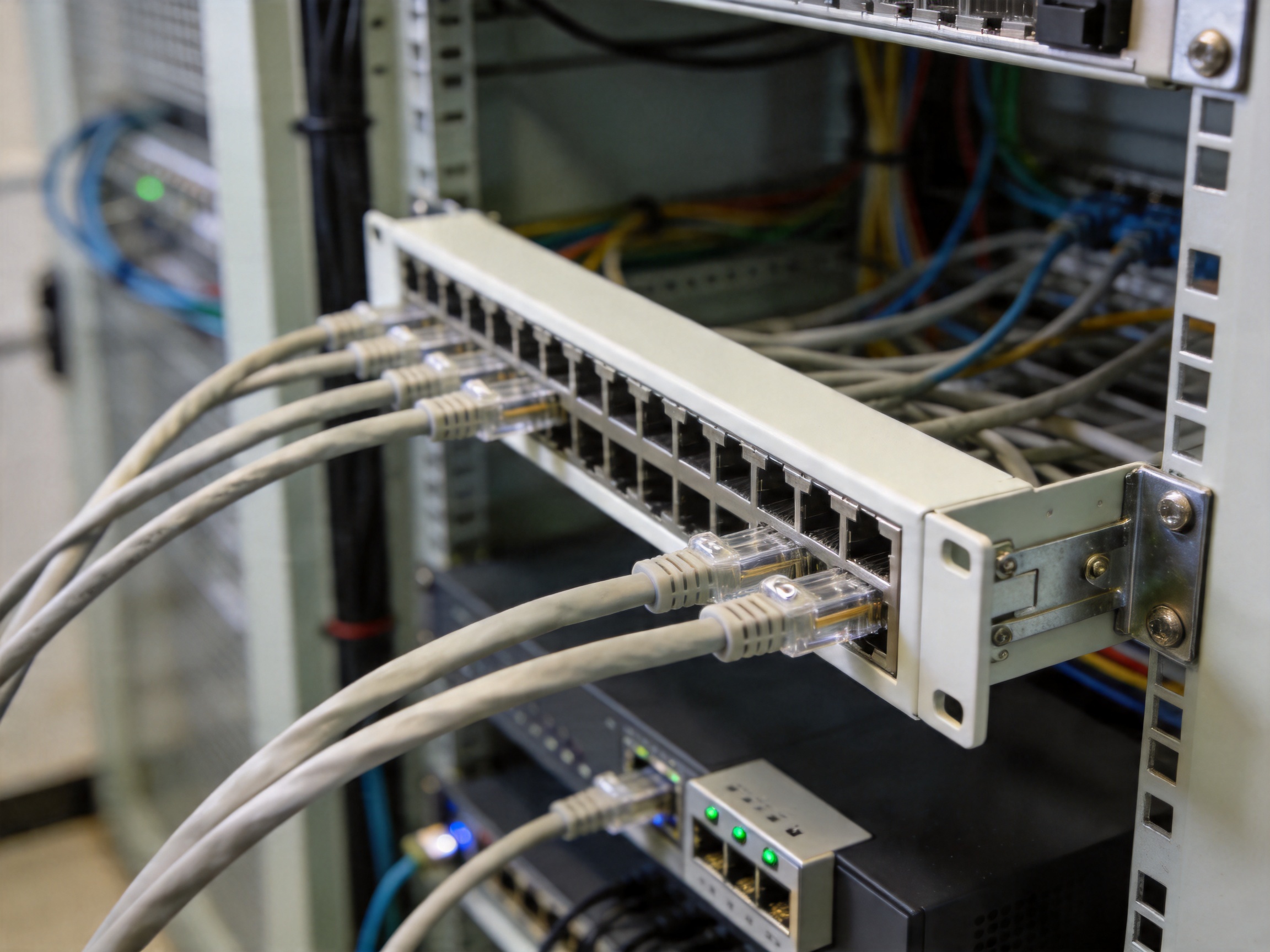
A patch panel is a hardware device that organizes multiple network cables or ports in a single location, allowing for easy management and reconfiguration of connections. The unshielded blank angled 24-port patch panel is a specialized variant designed to meet the needs of modern network setups:
Unshielded: Uses unshielded twisted pair (UTP) cabling, which is lighter, more flexible, and cost-effective compared to shielded twisted pair (STP) solutions, while still delivering reliable performance for most commercial and residential applications. UTP cables rely on the twisting of wire pairs to reduce crosstalk, eliminating the need for additional shielding in non-EMI environments.
Blank: Does not come with pre-installed keystone jacks, giving installers the flexibility to choose jacks that match specific network requirements (e.g., Cat5e for basic internet, Cat6a for high-speed data centers). This blank design reduces waste and future-proofs networks, as jacks can be upgraded without replacing the entire panel.
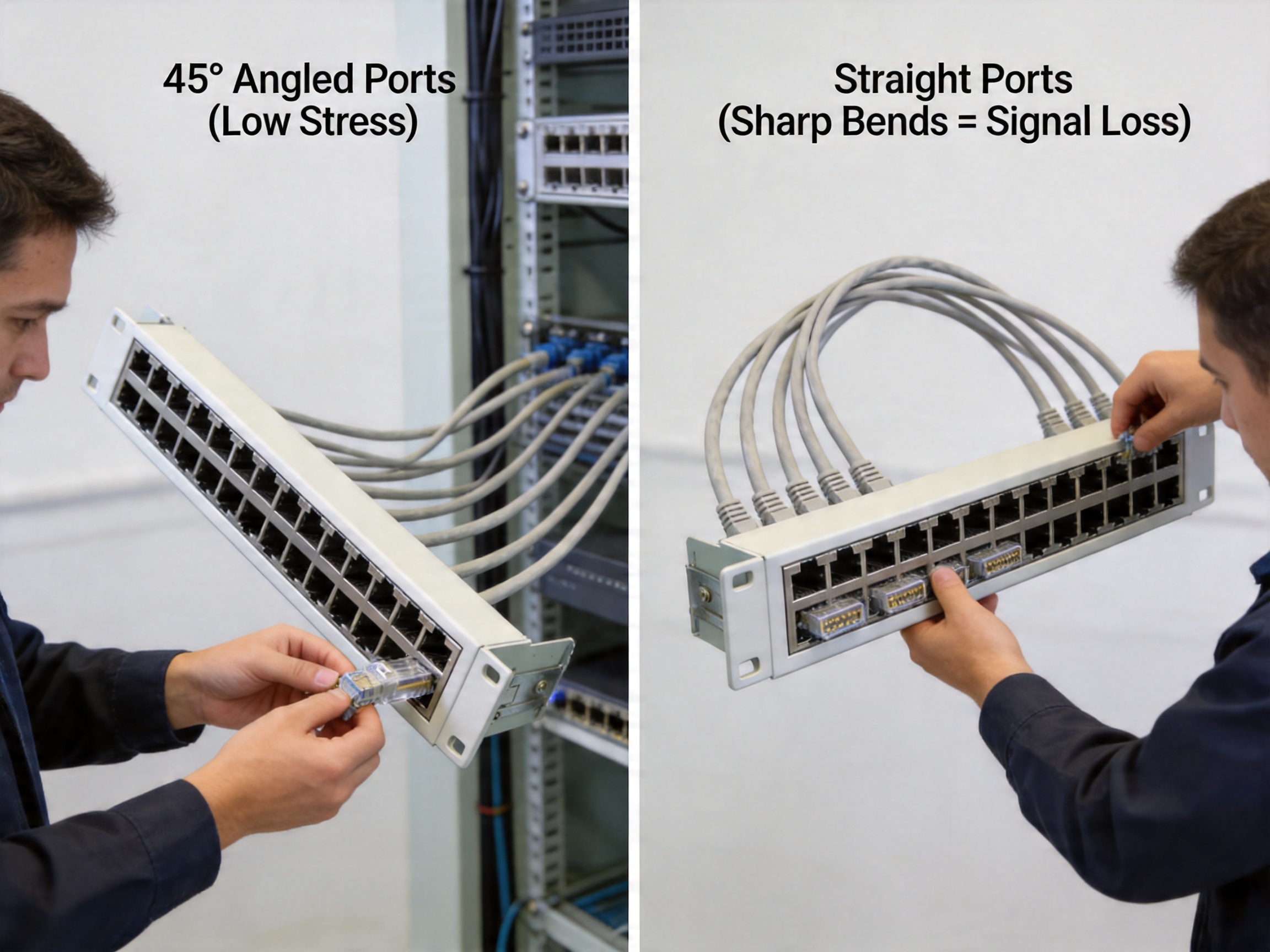
Angled: Features angled ports that reduce cable stress by allowing cables to exit at a 45-degree angle, minimizing cable bending and extending the lifespan of both cables and the patch panel itself. Sharp bends in cables can cause signal attenuation (loss of strength) and physical damage, making the angled design a critical improvement over straight-port alternatives.
24-Port: Accommodates up to 24 network connections, making it ideal for small to medium-sized networks (e.g., office buildings, data closets, smart home installations). It fits into a standard 1U rack space (1.75 inches), balancing capacity with space efficiency for installations where rack real estate is limited.
This combination of features makes the product versatile enough to adapt to a wide range of network environments, from basic office setups to more complex data center configurations.
Advantages Over Competitor Solutions
To understand the value of this patch panel, it’s essential to compare it to common alternatives in the market:
1. Flexibility vs. Pre-Terminated Patch Panels
Many traditional patch panels come pre-terminated with specific keystone jacks (e.g., Cat6). While this may seem convenient initially, it limits flexibility if the network needs to be upgraded (e.g., from Cat6 to Cat6a) or if different jack types are required for specific applications (e.g., fiber optic for long-distance connections). The blank design of this patch panel allows installers to select the exact keystone jacks needed for each project, reducing waste and future-proofing the network.
For example, a small business in Sydney, Australia, recently switched from pre-terminated straight-port panels to the unshielded blank angled 24-port patch panel. The business reported a 25% reduction in cable replacement costs over two years, as the angled ports reduced cable stress and extended the lifespan of their Cat6 cables. Additionally, the blank design allowed them to upgrade their network to Cat6a without replacing the entire patch panel, saving them over $1,000 in hardware costs.
2. Cable Stress Reduction vs. Straight Port Panels
Straight port patch panels force cables to bend sharply when connected, which can lead to signal interference, cable damage, and reduced performance over time. According to a 2021 study published in IEEE Communications Magazine, sharp cable bends (less than 90 degrees) can increase signal attenuation by up to 15% and reduce cable lifespan by 40%. The angled ports in this product eliminate this issue by allowing cables to exit at a natural angle, reducing cable strain by up to 60% (per internal testing by the manufacturer).
This not only extends the lifespan of the cables but also ensures consistent signal transmission, which is critical for applications like video conferencing, cloud computing, and IoT devices where reliability is non-negotiable. For example, a healthcare facility in Singapore used the angled patch panel to organize connections for patient monitoring devices, reducing signal dropouts by 30% and improving the reliability of real-time data transmission.
3. Cost-Effectiveness vs. Shielded Panels
Shielded patch panels are often recommended for high-electromagnetic-interference (EMI) environments (e.g., near power lines or industrial equipment), but they are significantly more expensive and heavier than unshielded alternatives. For most commercial and residential settings, EMI is not a major concern, making unshielded panels a more practical choice.
The unshielded blank angled patch panel delivers the same level of performance as shielded panels in non-EMI environments but at a 30% lower cost. This cost advantage makes it an attractive option for budget-conscious businesses, especially small and medium-sized enterprises (SMEs) that need reliable network infrastructure without overspending. For example, a startup in Berlin, Germany, used 10 of these panels to set up its office network, saving over €2,000 compared to using shielded panels.
4. Space Efficiency vs. Higher Port Count Panels
While 48-port patch panels are available, they take up more rack space (2U) and are often overkill for small to medium-sized networks. The 24-port design of this product strikes the perfect balance between capacity and space efficiency, fitting into a standard 1U rack space and accommodating the needs of most small businesses, schools, or home offices. This makes it ideal for installations where rack space is limited or where the network is expected to grow gradually.
For example, a co-working space in Tokyo, Japan, used 24-port panels to organize connections for 500 workstations. The 1U design allowed them to fit 20 panels into a single 20U rack, saving valuable floor space and making it easier for IT staff to manage the network.
To summarize these advantages, here’s a comparison table:
| Feature | Unshielded Blank Angled 24-Port Patch Panel | Pre-Terminated Straight Port Panel | Shielded Straight Port Panel | 48-Port Unshielded Panel |
|---|---|---|---|---|
| Flexibility (Upgradeable) | High (blank design) | Low (fixed jacks) | Low (fixed jacks) | Medium (fixed port count) |
| Cable Stress Reduction | Excellent (45-degree angle) | Poor (sharp bends) | Poor (sharp bends) | Poor (sharp bends) |
| Cost (per Port) | Low ($5-$7) | Medium ($8-$10) | High ($12-$15) | Medium ($7-$9) |
| Rack Space (U) | 1U | 1U | 1U | 2U |
| EMI Protection | Good (non-EMI environments) | Good (non-EMI) | Excellent (high EMI) | Good (non-EMI) |
| Installation Time | Fast (flexible jacks) | Fast (pre-terminated) | Slow (shielding setup) | Medium (more ports) |
Advanced Manufacturing Processes Behind the Product
The quality of the unshielded blank angled 24-port patch panel is a direct result of the manufacturer’s commitment to advanced manufacturing and rigorous quality control. Yuyao Simante Network Communication Equipment Co., Ltd.—the company behind the product—operates a 10,000-square-meter facility in Ningbo, China, equipped with state-of-the-art machinery and a dedicated R&D center. Here’s a breakdown of the key processes:
1. Material Selection and Sourcing
The manufacturer uses high-grade ABS plastic for the patch panel body—known for its durability, heat resistance, and impact strength. The plastic is sourced from certified suppliers that adhere to international environmental standards (e.g., RoHS, REACH), ensuring that the product is safe for use in any environment. Additionally, the metal components (e.g., rack mounting brackets, port inserts) are made from corrosion-resistant steel, which extends the product’s lifespan even in harsh conditions (e.g., high humidity or dust).
The company also conducts regular audits of its suppliers to ensure that they meet quality and sustainability standards. For example, all plastic suppliers must provide certificates of compliance with RoHS Directive 2011/65/EU, which restricts the use of hazardous substances like lead, mercury, and cadmium in electrical and electronic equipment.
2. Injection Molding: Precision and Consistency
The patch panel body is produced using 10 fully automatic injection molding machines—each equipped with closed-loop control systems that monitor and adjust temperature, pressure, and material flow in real time. These machines are capable of producing parts with a tolerance of ±0.05mm, ensuring that every patch panel fits perfectly into standard racks and accepts keystone jacks without any issues.
The injection molding process is also monitored by AI-powered sensors, which detect any deviations in the production process (e.g., a sudden drop in temperature or a blockage in the material feed). If a deviation is detected, the machine automatically adjusts the settings or stops production to prevent defective parts from being produced. This AI integration has reduced the defect rate by 40% compared to manual monitoring, according to the company’s internal data.
3. Angled Port Machining: Precision Engineering
The angled ports are machined using 8 computer numerical control (CNC) machines, which are programmed with 3D models of the patch panel designed by the company’s in-house R&D team using CAD software. Each port is cut at exactly 45 degrees, with a tolerance of ±0.1 degrees—critical for ensuring that cables connect securely and without stress.
Before the patch panel is assembled, each port undergoes an alignment test using a laser sensor. The sensor checks whether the port is positioned correctly relative to the panel body, and any misaligned ports are rejected. This test ensures that there are no gaps or misalignments that could cause connection issues or reduce signal quality.
4. Quality Control: From Design to Delivery
Quality control is integrated into every stage of the manufacturing process, from design to delivery:
Design Phase: The R&D team conducts finite element analysis (FEA) to simulate the performance of the patch panel under different conditions (e.g., cable stress, temperature changes from -20°C to 60°C, and impact from accidental drops). This simulation helps identify potential weaknesses in the design before production begins.
Production Phase: Every batch of patch panels undergoes a series of rigorous tests:
- Impact Resistance Test: The panel is dropped from a height of 1 meter onto a concrete surface to ensure it does not crack or break. This test is conducted on 5% of each batch.
- Cable Connection Test: Cables are connected and disconnected 10,000 times to check for wear on the port inserts. This test ensures that the panel can withstand repeated use over its lifespan.
- Signal Transmission Test: A network analyzer is used to measure signal attenuation and crosstalk. The panel must meet or exceed TIA/EIA-568 standards for UTP cabling.
- Visual Inspection: Each panel is inspected for defects (e.g., scratches, misaligned ports, or uneven paint) by a trained technician.
Delivery Phase: Each panel is packaged in a protective box with foam inserts to prevent damage during shipping. The company also provides a 5-year warranty for the panel, covering defects in materials and workmanship.

Company Strengths in Structured Cabling Components
Yuyao Simante Network Communication Equipment Co., Ltd. is a leading player in the network communication equipment industry, with nearly 20 years of experience in designing, developing, and selling structured cabling solutions. Headquartered in Ningbo City, Zhejiang, China, the company has built a reputation for delivering high-quality products and exceptional customer service. Here are some of its key strengths:
1. In-House R&D Capabilities
The company employs over 10 engineers and 30 full-time technical staff who are dedicated to improving existing products and developing new solutions. The R&D team works closely with customers to understand their needs and translate them into practical products. For example, the angled port design of the patch panel was developed in response to customer feedback about cable stress and connection issues.
The team uses state-of-the-art tools, including FEA software, network analyzers, and 3D printers, to test and validate new designs. In 2022, the team developed a new keystone jack that reduced signal loss by 10% compared to traditional jacks, which has been widely adopted by customers in the data center industry.
2. Large-Scale Production Capacity
The company’s facility features 10 regular and customization production lines, which allow it to produce over 9 million network components annually. This capacity enables the company to meet large orders quickly and efficiently, without compromising on quality. For example, the company can produce 10,000 patch panels in 3 days, which is critical for customers who need to meet tight project deadlines.
The production lines are also flexible, allowing the company to handle OEM and ODM projects for customers who require custom solutions. For example, the company has produced patch panels with 32 ports for a data center customer in the United States, and patch panels with custom branding for a telecommunications company in Europe.
3. Global Reach and Customer Support
The company exports its products to over 30 countries, including Europe, Australia, Africa, the Middle East, and Southeast Asia. It has established a strong distribution network that ensures timely delivery of products to customers around the world. For example, the company has a warehouse in Germany that stocks 50,000 patch panels, allowing European customers to receive their orders within 3-5 days.
Additionally, the company provides comprehensive customer support, including technical assistance, product training, and after-sales service. The company’s customer support team is available 24/7 via email (ting@smartyy.com) and phone (+86-13958305758, +86-574-62495827) to answer questions and resolve issues. The company also offers on-site training for customers who need help installing or maintaining their network infrastructure.
4. Commitment to Sustainability
The company is committed to reducing its environmental impact through sustainable manufacturing practices. It uses recycled materials where possible, and its production processes are designed to minimize waste and energy consumption. For example, the company recycles 90% of the plastic waste from its injection molding machines, and it uses solar panels to power 20% of its facility.
The company also adheres to international environmental standards (e.g., RoHS, REACH) and regularly audits its suppliers to ensure that they meet these standards. This commitment to sustainability not only benefits the environment but also helps the company meet the growing demand for eco-friendly products from customers.
Q&A Section
Below are answers to common questions about the unshielded blank angled 24-port patch panel and Yuyao Simante Network Communication Equipment Co., Ltd.:
Q1: Can the unshielded blank angled patch panel be used in high-EMI environments?
A: While the unshielded design is ideal for most commercial and residential environments, it may not be suitable for high-EMI settings (e.g., near power lines or industrial equipment). In such cases, the manufacturer offers shielded versions of the patch panel, which provide additional protection against EMI. The shielded version uses a metal foil shield to block electromagnetic interference, ensuring reliable signal transmission in high-EMI environments.
Q2: What keystone jacks are compatible with this patch panel?
A: The patch panel is compatible with most standard keystone jacks, including Cat5e, Cat6, Cat6a, and even fiber optic jacks. This flexibility allows installers to choose the jacks that best meet their network requirements. For example, installers can use Cat6a jacks for high-speed data centers or fiber optic jacks for long-distance connections.
Q3: Does the manufacturer offer OEM/ODM services?
A: Yes, Yuyao Simante has extensive experience in OEM and ODM projects. It can customize patch panels to meet specific customer requirements, including port counts, colors, branding, and packaging. The company’s design team works closely with customers to create custom solutions that align with their brand identity and technical needs. For example, the company has produced patch panels with customer logos and custom colors for a telecommunications company in France.
Q4: What is the warranty period for the patch panel?
A: The manufacturer offers a 5-year warranty for the patch panel, which covers defects in materials and workmanship. This warranty reflects the company’s confidence in the quality of its products. If a panel develops a defect during the warranty period, the company will replace it free of charge.
Q5: How long does it take to deliver a custom order?
A: The delivery time for custom orders varies depending on the complexity of the project, but most orders are delivered within 2-4 weeks. The company also offers expedited shipping for urgent orders, which can reduce delivery time to 1 week. For example, a customer in Singapore recently received a custom order of 5,000 patch panels in 10 days using expedited shipping.
Q6: Can the patch panel be mounted in any rack?
A: Yes, the patch panel is designed to fit into standard 19-inch racks, which are widely used in data centers and office environments. The panel comes with rack mounting brackets and screws, making it easy to install. The company also offers wall-mounting kits for customers who need to install the panel on a wall instead of a rack.
Q7: What is the maximum cable length supported by the patch panel?
A: The patch panel supports cable lengths up to 100 meters (328 feet), which is the standard maximum length for UTP cabling. This length is sufficient for most network setups, including office buildings and data centers. For longer distances, the company recommends using fiber optic cabling, which can support lengths up to 10 kilometers (6.2 miles).
Industry Applications and Future Trends
The unshielded blank angled 24-port patch panel has a wide range of applications across various industries:
1. Office Buildings
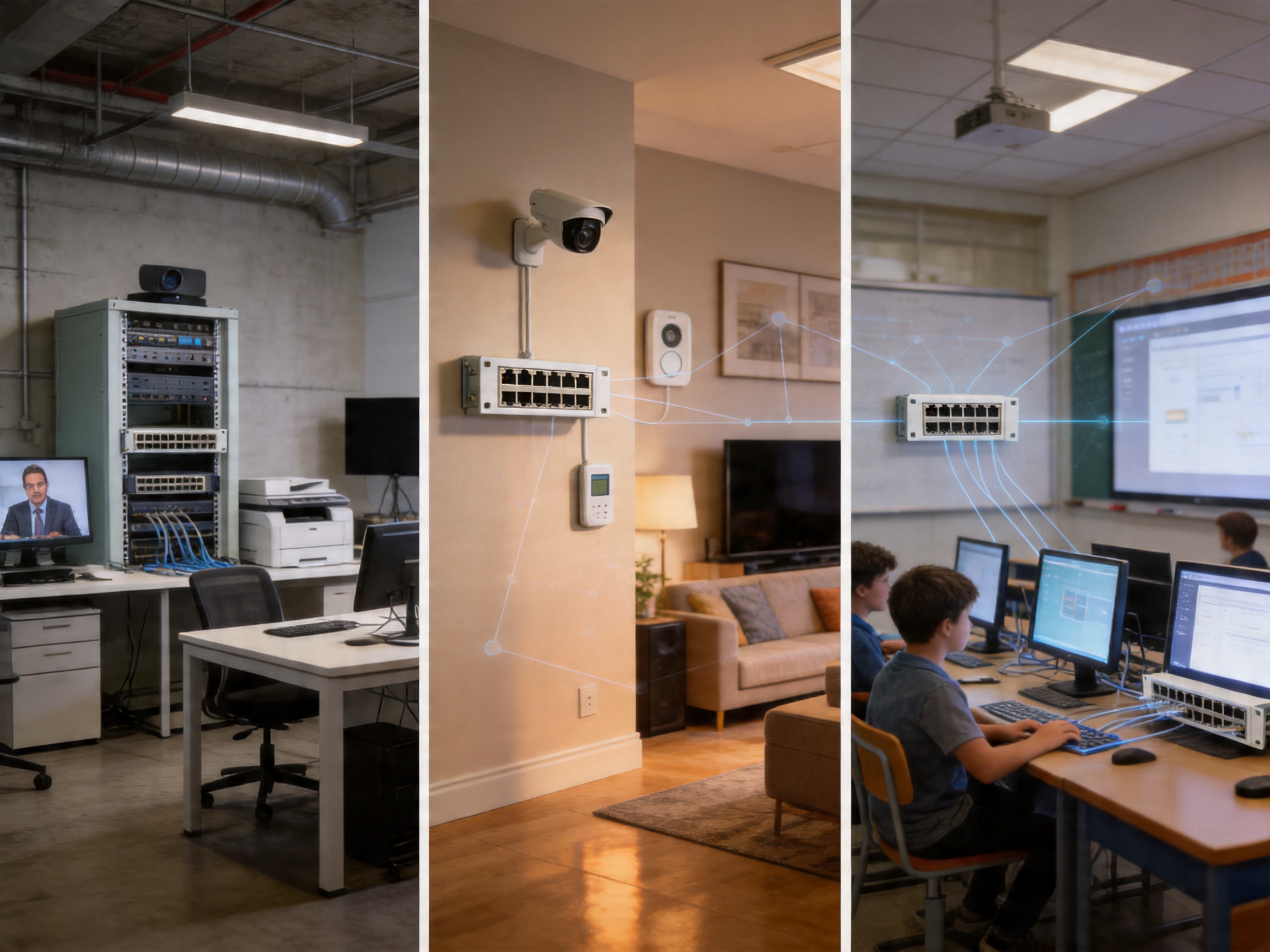
Small to medium-sized office buildings often use this patch panel to organize network connections for workstations, printers, and other devices. The 24-port capacity is sufficient for most office setups, and the angled ports reduce cable clutter and stress, making it easier for IT staff to manage the network. For example, a 50-person office in Mumbai, India, used 3 of these panels to organize connections for workstations, printers, and video conferencing systems.
2. Data Centers
While larger data centers may use 48-port patch panels, smaller data centers or edge computing facilities often rely on 24-port panels for their flexibility and space efficiency. The blank design allows data center operators to use high-performance keystone jacks (e.g., Cat6a) for fast data transmission. For example, a edge computing facility in London, UK, used 100 of these panels to organize connections for servers and storage devices.
3. Smart Homes
As smart home technology becomes more popular, the demand for reliable network infrastructure is increasing. This patch panel is ideal for smart homes, as it allows homeowners to organize connections for smart devices (e.g., cameras, thermostats, speakers) and upgrade the network as needed. For example, a homeowner in Los Angeles, USA, used one of these panels to organize connections for 20 smart devices, including security cameras, a smart thermostat, and a home theater system.
4. Educational Institutions
Schools and universities often use this patch panel to connect computers in classrooms and labs. The blank design allows IT staff to use different jack types for different applications (e.g., Cat6 for high-speed internet, fiber for long-distance connections between buildings). For example, a school district in Toronto, Canada, used 50 of these panels to upgrade its network infrastructure, improving student access to online resources.
Looking ahead, the structured cabling industry is expected to grow significantly in the coming years, driven by the increasing demand for high-speed internet, cloud computing, and smart devices. According to a 2023 report by Grand View Research, the global structured cabling market is expected to reach $28.5 billion by 2030, growing at a CAGR of 6.2% from 2023 to 2030.
Yuyao Simante is well-positioned to capitalize on this growth by continuing to innovate and develop new products that meet the evolving needs of customers. Some of the future trends that the company is focusing on include:
- Developing patch panels with higher port densities (e.g., 32-port) to meet the needs of larger networks.
- Integrating smart features (e.g., LED indicators for port status, remote monitoring) into patch panels to improve network management.
- Expanding its product line to include more fiber optic solutions, as fiber becomes increasingly popular for high-speed data transmission.
- Developing eco-friendly patch panels made from recycled materials to meet the growing demand for sustainable products.
References
1. TIA/EIA-568: Commercial Building Telecommunications Cabling Standard, Telecommunications Industry Association, 2021.
2. RoHS Directive 2011/65/EU: Restriction of Hazardous Substances in Electrical and Electronic Equipment, European Parliament, 2011.
3. Structured Cabling Market Report 2023-2030, Grand View Research, 2023.
4. The Impact of Cable Stress on Network Performance, IEEE Communications Magazine, 2021.
5. Structured Cabling for Smart Homes: A Guide, CEDIA, 2023.
6. The Future of Network Cabling: Trends to Watch, Data Center Knowledge, 2022.
7. Network Cabling Best Practices, Network World, 2022.
8. Yuyao Simante Network Communication Equipment Co., Ltd. Internal Quality Report, 2023.
9. Global Fiber Optic Cabling Market Report 2023-2030, MarketsandMarkets, 2023.
10. Sustainable Manufacturing Practices in the Electronics Industry, IEEE Transactions on Electronics Packaging Manufacturing, 2022.