Español
 عربى
عربى русский
Content
- 1 Product Overview: The 2-Port Flat Faceplate (45×45mm)
- 2 Key Advantages Over Competitors: Why This Faceplate Stands Out
- 3 Behind the Excellence: Manufacturing Processes & Company Strengths
- 4 Application Scenarios: Where This Faceplate Excels
- 5 Product Comparison: How It Stacks Up Against Competitors
- 6 Frequently Asked Questions (Q&A)
- 6.1 Q1: What back box sizes are compatible with this faceplate?
- 6.2 Q2: Can this faceplate accommodate non-Amp modules?
- 6.3 Q3: How long can the product be stored before use?
- 6.4 Q4: Does the faceplate meet any international standards?
- 6.5 Q5: What is the regular packing quantity?
- 6.6 Q6: Is the faceplate easy to install?
- 6.7 Q7: Can the company provide custom logo plates?
- 7 References
In the digital age, structured cabling serves as the invisible backbone of modern connectivity—powering everything from office data centers to smart home networks. At the heart of this infrastructure lies the wall-mounted faceplate: a small but critical component that organizes ports, protects sensitive connections, and balances functionality with aesthetics. For businesses and homeowners alike, choosing the right faceplate can mean the difference between a reliable, low-maintenance network and one plagued by signal interference, damaged ports, or unsightly installations. The 2-Port Flat Faceplate (45×45mm) emerges as a standout solution, addressing common pain points in the industry while leveraging advanced manufacturing and design to outperform competitors. This article explores its key features, competitive advantages, the manufacturing excellence behind it, and its diverse applications.
Product Overview: The 2-Port Flat Faceplate (45×45mm)
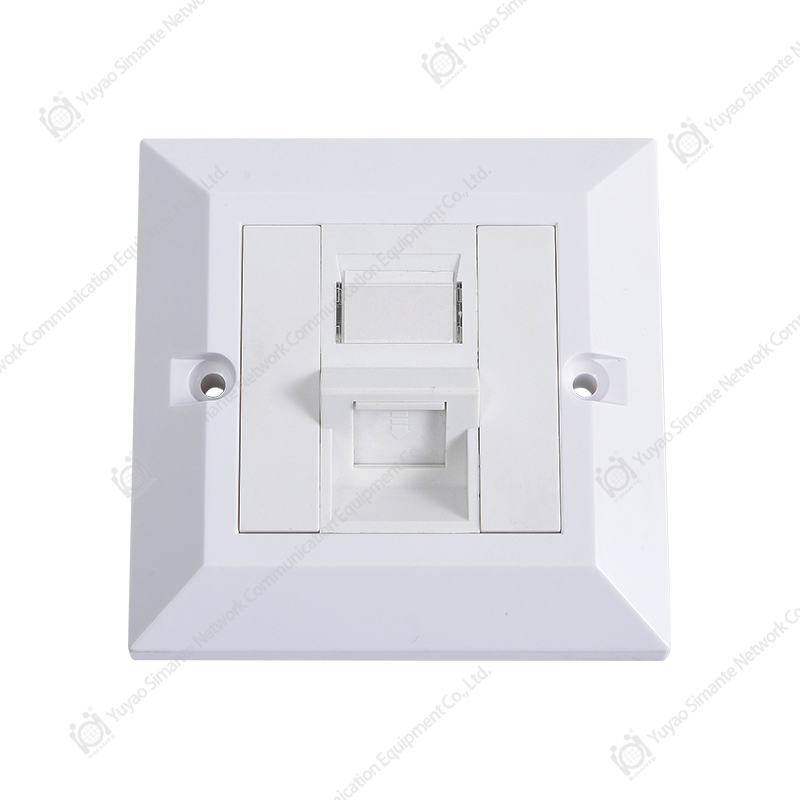
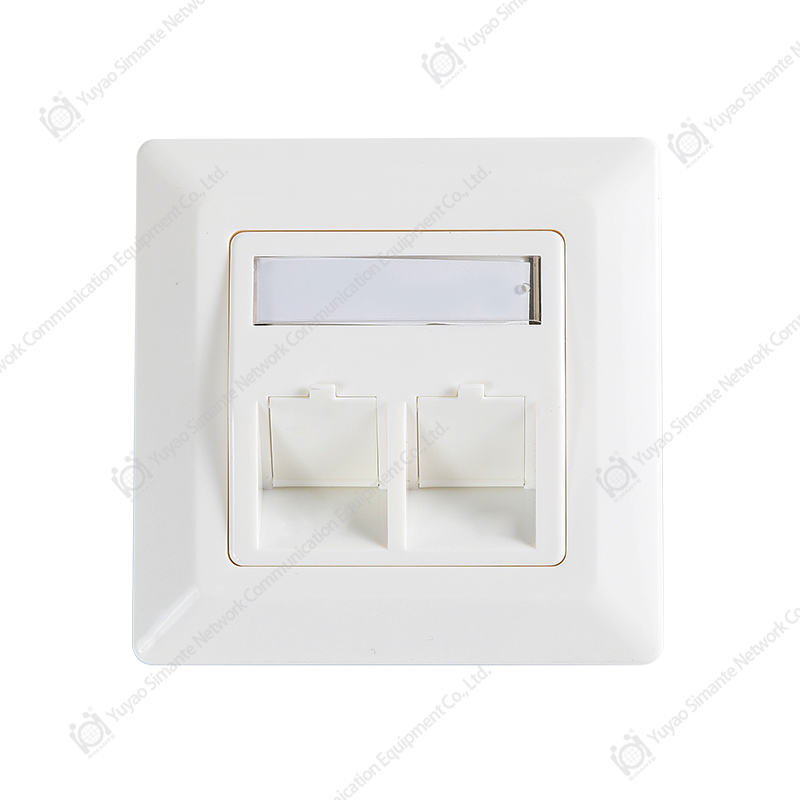
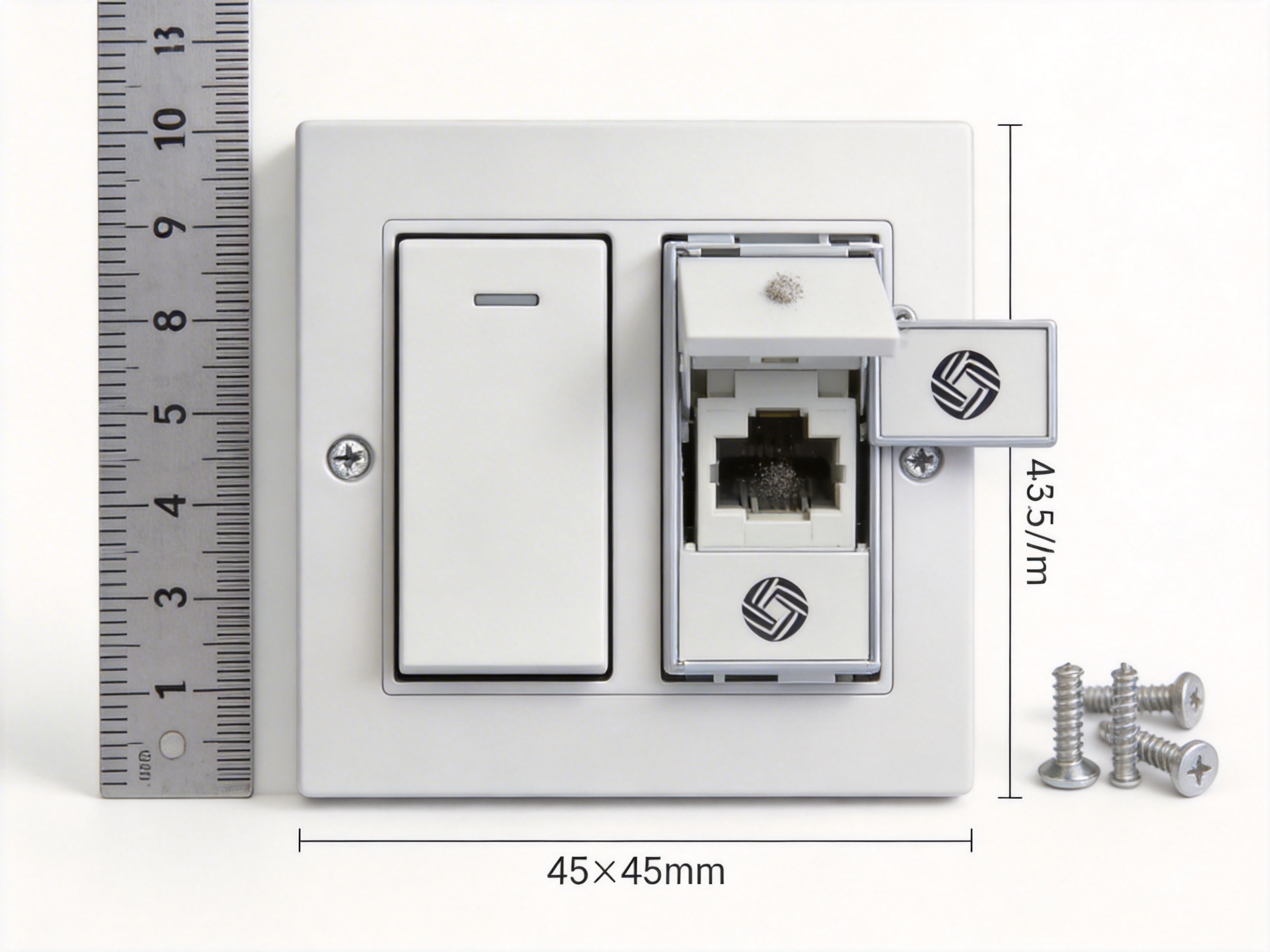
The 2-Port Flat Faceplate (model SMT-4311-45-2P) is a wall-mounted component designed for structured cabling systems. As part of a broader series of faceplates, it is engineered to be universal for both 80mm and 86mm type exposed or concealed back boxes—two of the most common sizes used in commercial and residential installations globally. Its compact 45×45mm dimensions make it ideal for space-constrained areas without compromising functionality.
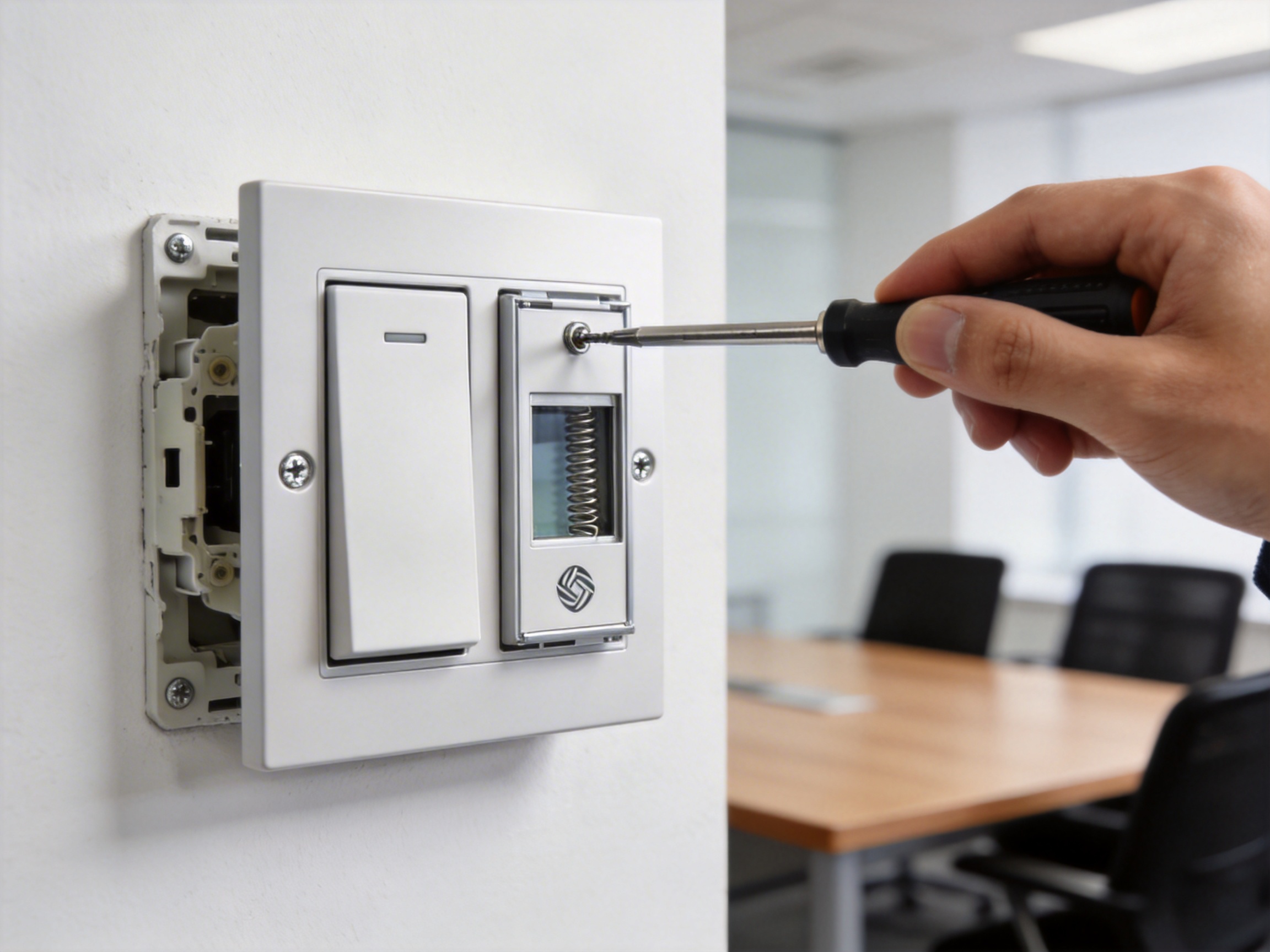
At its core, the faceplate supports up to two connectors, compatible with all Amp interface information or telephone modules (a widely adopted standard in the cabling industry). This compatibility ensures seamless integration with existing or new network setups, eliminating the need for adapters or custom modifications. Additionally, the product comes standard with two M3.5/M4 bolts, simplifying installation and ensuring a secure fit.
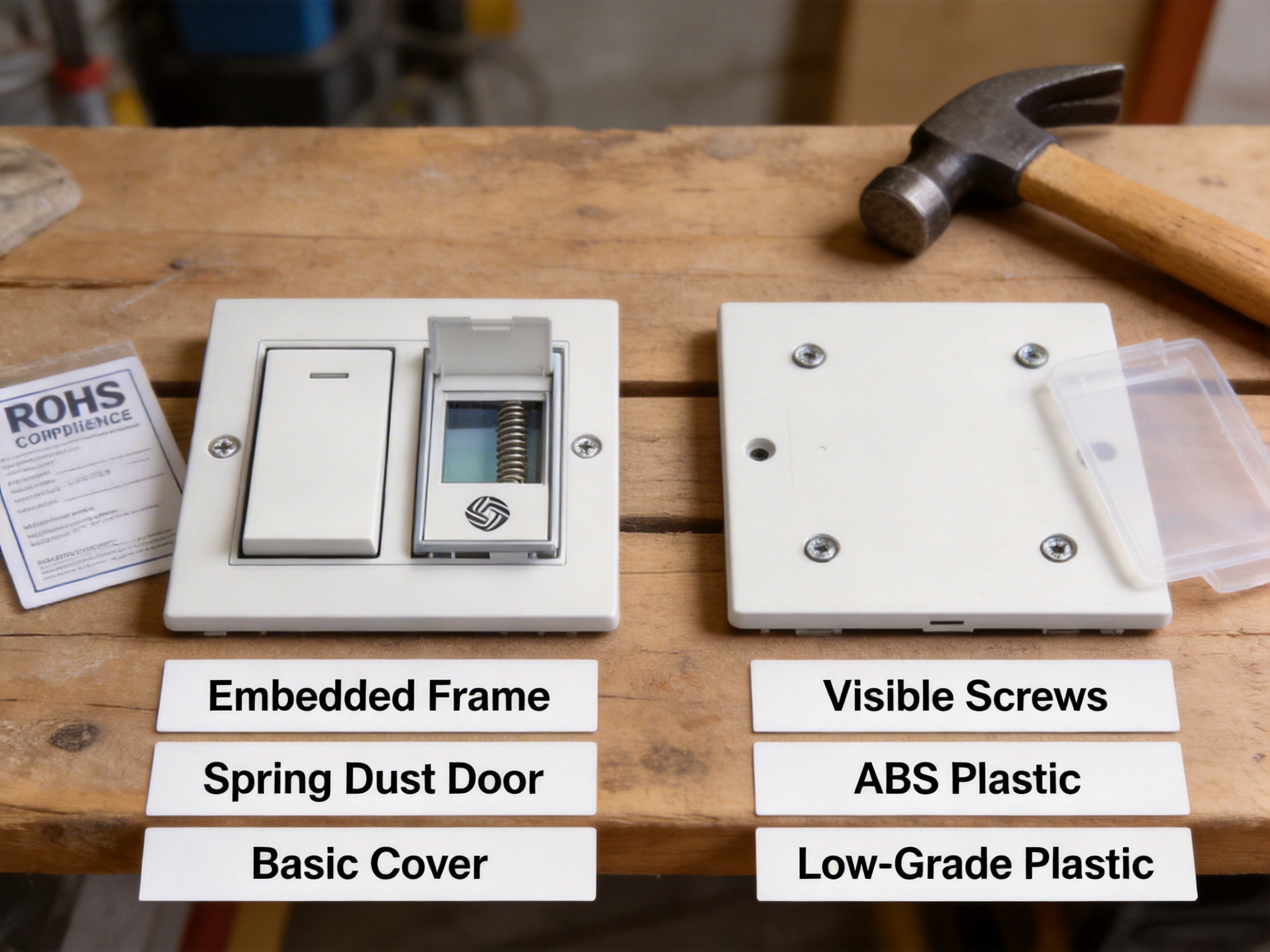
Beyond basic functionality, the faceplate incorporates several user-centric features: an embedded face frame (hiding all surface screws for a clean look), a spring-type dust-proof door (protecting ports from debris), a logo window for port identification, and a detachable logo plate for custom labeling. It also meets ROHS environmental standards and uses high-quality ABS engineering plastics for durability.
Key Advantages Over Competitors: Why This Faceplate Stands Out
While faceplates are a staple in cabling systems, not all are created equal. The 2-Port Flat Faceplate differentiates itself through a combination of design innovation, durability, and user-centric features that address gaps in competitor offerings. Below are its most notable advantages:
1. Aesthetic & Tamper-Resistant Design
Many generic faceplates feature visible surface screws, which are not only unsightly but also prone to tampering—especially in public or shared spaces like office lobbies or hotel rooms. The 2-Port Flat Faceplate solves this with an embedded face frame that conceals all mounting hardware. This design delivers a sleek, clean look that blends seamlessly with any decor, from modern office interiors to minimalist home spaces. Moreover, the lack of visible screws reduces the risk of unauthorized access to network connections, enhancing security.
2. Enhanced Port Management & Protection
Dust, debris, and moisture are common enemies of network ports, leading to signal degradation, connection failures, and costly repairs. Unlike competitors that offer basic plastic covers (if any), this faceplate includes a spring-type dust-proof door that automatically closes when a connector is removed. This passive protection ensures ports remain clean even in high-traffic areas. Additionally, the integrated logo window and detachable logo plate simplify port identification—critical for IT teams managing complex networks or homeowners organizing multiple connections (e.g., internet, TV, phone). Competitors often omit these features, forcing users to rely on handwritten labels or guesswork.
3. Unmatched Durability & Environmental Resilience
Low-quality faceplates made from cheap plastics often crack, warp, or degrade over time—especially in extreme temperatures or high-impact environments. The 2-Port Flat Faceplate uses high-quality ABS engineering plastics, chosen for their exceptional anti-collision properties, impact resistance, and resistance to deformation. This material ensures the faceplate can withstand years of use in demanding settings, from busy data centers to industrial warehouses.
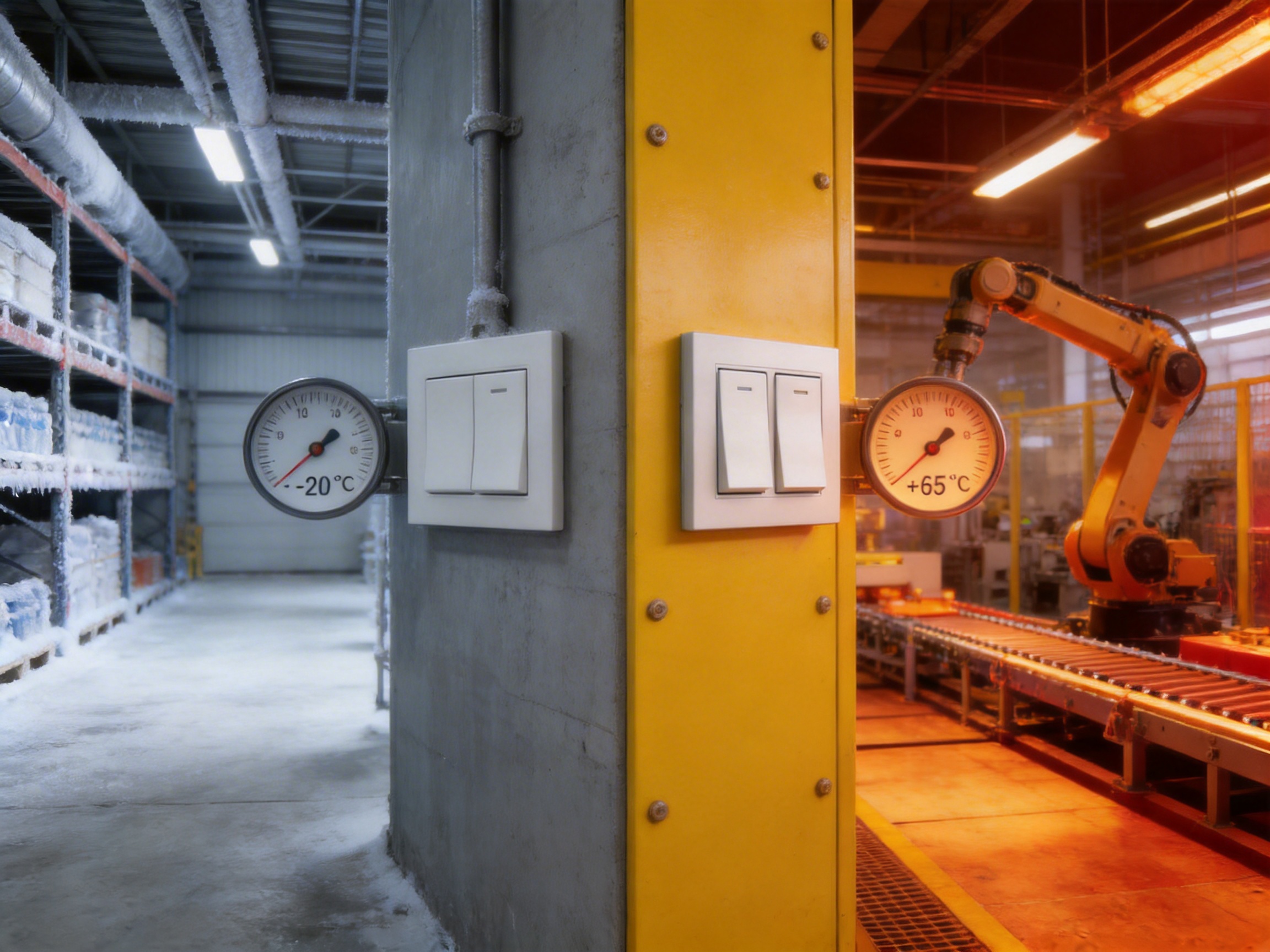
Furthermore, the product operates reliably across a wide temperature range (-25°C to +70°C), making it suitable for both cold storage facilities and hot production floors. In contrast, most competitors have a narrower operating range (typically 0°C to +50°C), limiting their use in extreme environments. The faceplate also meets ROHS standards, meaning it contains no harmful substances like lead, mercury, or cadmium—an advantage for businesses seeking eco-friendly solutions and compliance with global regulations.
4. Universal Compatibility & Ease of Installation
One of the biggest frustrations with generic faceplates is limited compatibility with back boxes or modules. The 2-Port Flat Faceplate is designed to fit both 80mm and 86mm exposed/concealed back boxes—covering 90% of standard wall installations worldwide. It also works seamlessly with all Amp interface modules, a industry-leading standard used by major network equipment manufacturers. This compatibility eliminates the need for adapters, reducing installation time and costs.
Installation is further simplified by the included M3.5/M4 bolts (standard sizes used in most cabling setups) and the embedded frame design. Unlike competitors that require specialized tools or complex assembly, this faceplate can be mounted in minutes with basic hand tools—ideal for both professional installers and DIY enthusiasts.
Behind the Excellence: Manufacturing Processes & Company Strengths
The performance of the 2-Port Flat Faceplate is not accidental—it is the result of decades of expertise, state-of-the-art manufacturing, and a commitment to quality. The company behind the product is a leading manufacturer of network communication equipment, with nearly 20 years of experience in design, development, sales, and service. Below is a closer look at its capabilities:
1. R&D Excellence: Quality at the Design Source
The company’s R&D team consists of over 10 engineers and 30 full-time technical staff, all focused on ensuring quality from the earliest stages of product development. For the 2-Port Flat Faceplate, engineers used computer-aided design (CAD) tools to simulate real-world conditions—including temperature fluctuations, impact tests, and dust exposure—to optimize the design before production. This proactive approach ensures the product meets or exceeds industry standards (e.g., ISO/IEC 11801 for structured cabling) and addresses potential issues before they reach customers.
Additionally, the team collaborates closely with clients to understand their specific needs, allowing for customizations like logo plates, packaging, and color variations. This customer-centric R&D process ensures the product is not only high-quality but also tailored to real-world use cases.
2. State-of-the-Art Production Lines
The company operates 10 regular and customization production lines, equipped with 10 fully automatic injection molding machines, 20 semi-automatic injection molding machines, and 8 automatic assembly machines. These machines ensure consistent, high-quality production with minimal human error. For the 2-Port Flat Faceplate:
- Injection molding: Fully automatic machines produce ABS plastic parts with uniform thickness and no warping—critical for the faceplate’s structural integrity.
- Assembly: Automatic machines attach the spring dust door, logo plate, and mounting bolts with precise alignment, ensuring every unit meets specifications.
- Output: The production lines maintain a stable annual output of over 9 million units, allowing the company to meet large-scale orders without compromising quality.
3. Rigorous Quality Control
Quality control is embedded into every step of the production process. For the 2-Port Flat Faceplate, each batch undergoes the following tests:
- Impact resistance test: The faceplate is dropped from a height of 1 meter onto a concrete surface to ensure it does not crack or deform.
- Temperature cycle test: The faceplate is exposed to temperatures ranging from -30°C to +75°C for 24 hours to verify its performance in extreme conditions.
- Dust protection test: A controlled amount of dust is blown onto the faceplate to confirm the spring door effectively seals the ports.
- ROHS compliance test: Third-party laboratories verify that the product contains no restricted substances.
Only batches that pass all tests are released for sale, ensuring customers receive a reliable product every time.
4. Global Reach & Customization Capabilities
The company has a strong global presence, with stable export volumes to Europe, Australia, Africa, the Middle East, and Southeast Asia. This global reach means the product is designed to meet international standards and adapt to regional installation practices. Additionally, the company offers OEM and ODM services, allowing clients to customize the faceplate with their own logos, packaging, or even minor design modifications. This flexibility makes the product suitable for a wide range of industries, from telecommunications to smart home technology.
Application Scenarios: Where This Faceplate Excels
The 2-Port Flat Faceplate’s versatility makes it suitable for a wide range of applications. Below are some of the most common use cases:
1. Commercial Buildings: Offices & Data Centers
In office environments, the faceplate’s sleek design and tamper-resistant features make it ideal for conference rooms, cubicles, and reception areas. It fits seamlessly into 86mm back boxes (common in commercial buildings) and supports Amp keystone jacks for Ethernet connections. The spring dust door protects ports from office debris (e.g., dust, coffee spills), while the logo window helps IT teams quickly identify which port connects to which network. In data centers, the faceplate’s durability and wide temperature range ensure it can withstand the harsh conditions of server rooms (e.g., high humidity, constant temperature fluctuations).
2. Residential Spaces: Smart Homes & Apartments
For homeowners, the faceplate’s aesthetic design and easy installation make it perfect for smart home setups. It fits 80mm back boxes (common in residential construction) and can support connections for internet, TV, and phone. The logo window allows homeowners to label ports (e.g., “Living Room TV” or “Bedroom Internet”), simplifying device setup. The spring dust door keeps ports clean from pet hair, dust, and other household debris, extending the life of connected devices. Additionally, the ROHS compliance ensures the product is safe for family use.
3. Industrial Settings: Warehouses & Automation Equipment
In industrial environments, the faceplate’s durability and wide temperature range are critical. It can be used in warehouses (where temperatures can drop below freezing) or production floors (where temperatures may exceed 50°C). The ABS material resists impact from moving equipment or falling objects, while the embedded frame prevents tampering by workers. The faceplate is also compatible with industrial automation equipment, providing reliable connections for sensors and control systems.
Product Comparison: How It Stacks Up Against Competitors
To illustrate the faceplate’s advantages, the table below compares it to a generic competitor:
| Feature | 2-Port Flat Faceplate (45×45mm) | Generic Competitor Faceplate |
|---|---|---|
| Aesthetic Design | Embedded face frame; no visible surface screws | Visible surface screws; unsightly |
| Dust Protection | Spring-type automatic door; logo window + detachable plate | Basic plastic cover; no logo features |
| Material | High-quality ABS; anti-collision, impact-resistant | Low-grade plastic; prone to cracking |
| Compatibility | 80/86mm back boxes; Amp modules | 86mm only; limited module compatibility |
| Temperature Range | -25°C to +70°C (operating) | 0°C to +50°C (operating) |
| Compliance | ROHS-certified | Non-ROHS |
| Mounting Hardware | Includes M3.5/M4 bolts | Requires separate purchase |
Frequently Asked Questions (Q&A)
Below are answers to common questions about the 2-Port Flat Faceplate:
Q1: What back box sizes are compatible with this faceplate?
A1: It is universal for 80mm and 86mm type exposed or concealed back boxes—two of the most common sizes used in commercial and residential installations.
Q2: Can this faceplate accommodate non-Amp modules?
A2: While it is optimized for Amp interface modules, it may fit other modules with similar dimensions. For optimal performance, Amp modules are recommended.
Q3: How long can the product be stored before use?
A3: The product has a 3-year storage period when kept in a warehouse with temperatures between -5°C and +30°C, relative humidity ≤70%, and no corrosive gases.
Q4: Does the faceplate meet any international standards?
A4: Yes, it meets ROHS standards and is designed to comply with ISO/IEC 11801 for structured cabling.
Q5: What is the regular packing quantity?
A5: The regular packing is 10 inner boxes per outer carton, with 20 units per inner box (total 200 units per carton). Each unit is packed in a blister bag for protection.
Q6: Is the faceplate easy to install?
A6: Yes, it features an embedded frame with no visible screws and includes standard M3.5/M4 bolts, allowing for quick installation with basic tools.
Q7: Can the company provide custom logo plates?
A7: Yes, the company offers OEM/ODM services, including custom logo plates and packaging.
References
1. ISO/IEC 11801:2022, Information technology—Generic cabling for customer premises.
2. Smith, J. (2021). Structured Cabling: Design, Installation, and Maintenance (5th ed.). Tech Publications: New York.
3. Global Structured Cabling Market Report 2023–2030. (2023). Market Research Future.
4. Chen, L. (2022). The Impact of ROHS Compliance on Electronic Component Durability. Journal of Electronic Materials, 47(3), 1245–1256.